
Studio Tate on Workplace Design: Clarity, Longevity and a Value-Led Approach to design
Workplace design at Studio Tate is guided by clarity rather than display. The studio approaches the office as a long-term operational environment, one that must support focus, adapt over time, and quietly reflect organisational culture. The emphasis is on usefulness and endurance, not immediacy.
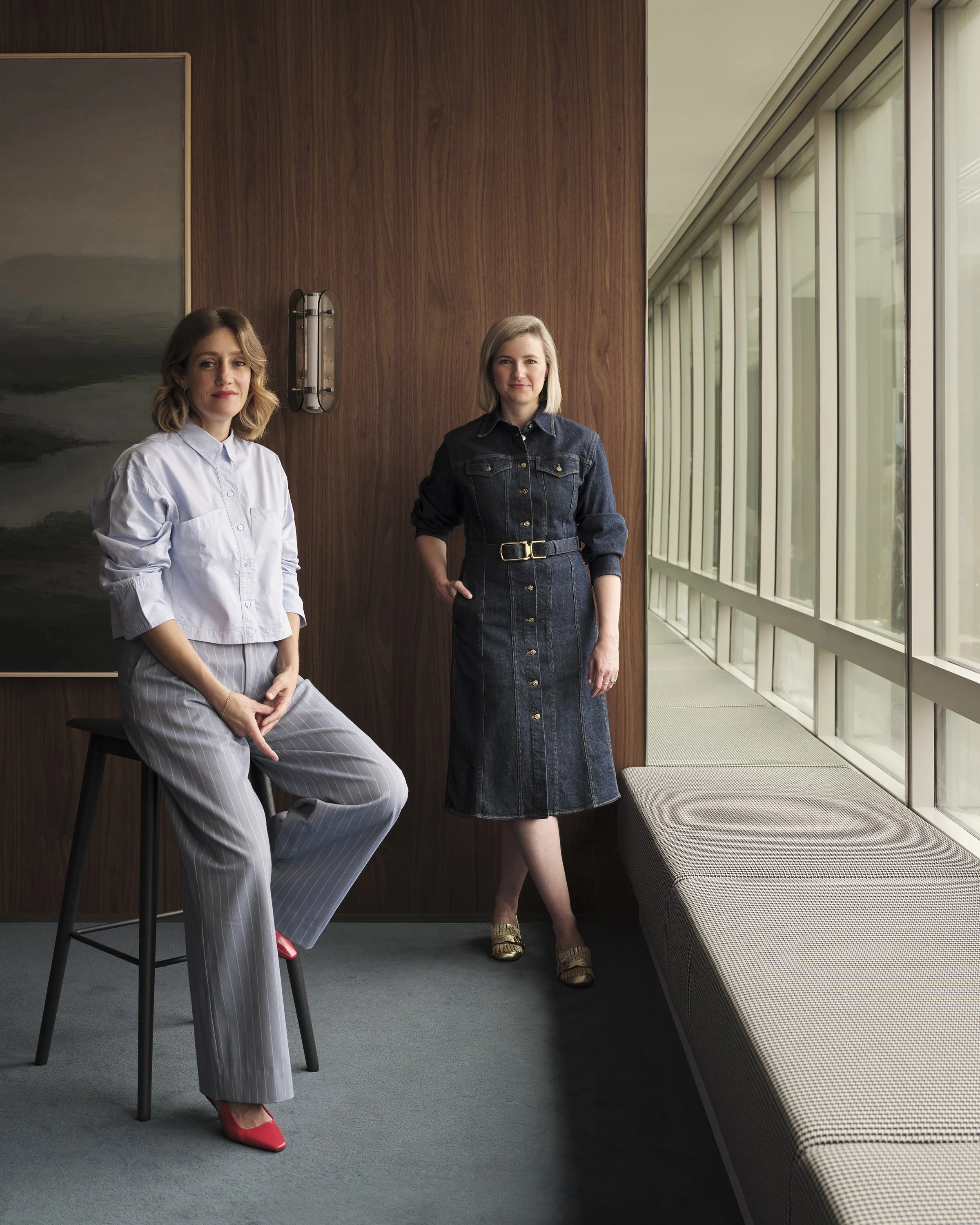
Left to right, Anita Zampichelli, Associate Director and Alex Hopkins, Director.
Photo by Dave Wheeler
Rather than treating the workplace as a branding exercise, Studio Tate prioritises how space performs day to day. Planning is precise, circulation is legible, and materials are selected for durability as much as appearance. The resulting environments feel calm, resolved, and deliberately unforced. They are workplaces designed to be inhabited, not performed.
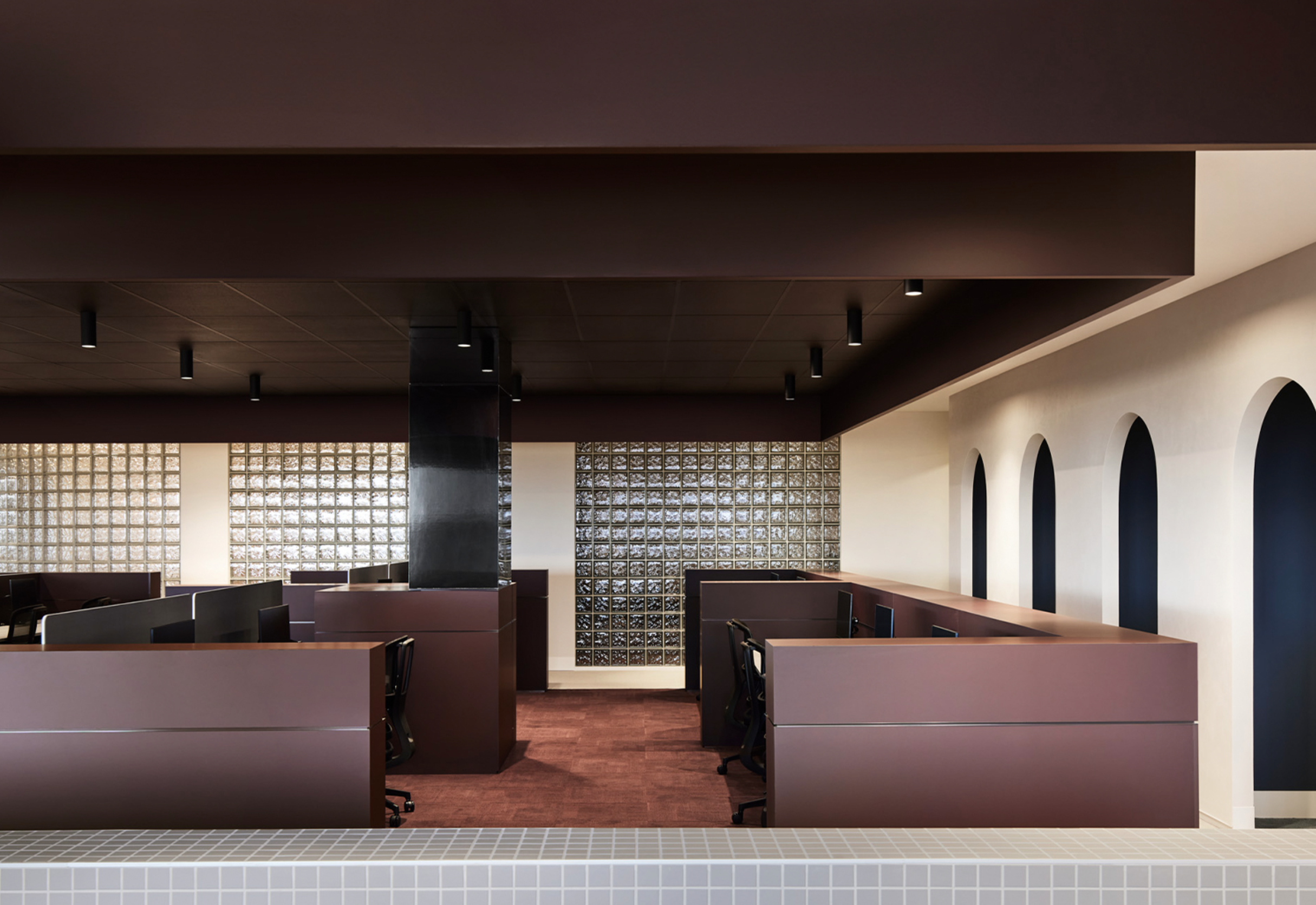
Structure underpins every workplace project. Spatial planning is informed by workflow, adjacencies, and future flexibility, allowing offices to evolve without major disruption. Private work, collaboration, and shared amenities are carefully balanced to reflect the varied rhythms of contemporary practice.
This strategic clarity enables a restrained architectural language. Visual quiet is not an aesthetic preference alone but a functional one, reducing distraction and supporting concentration. Design decisions are measured against how they contribute to the whole, rather than their individual impact.
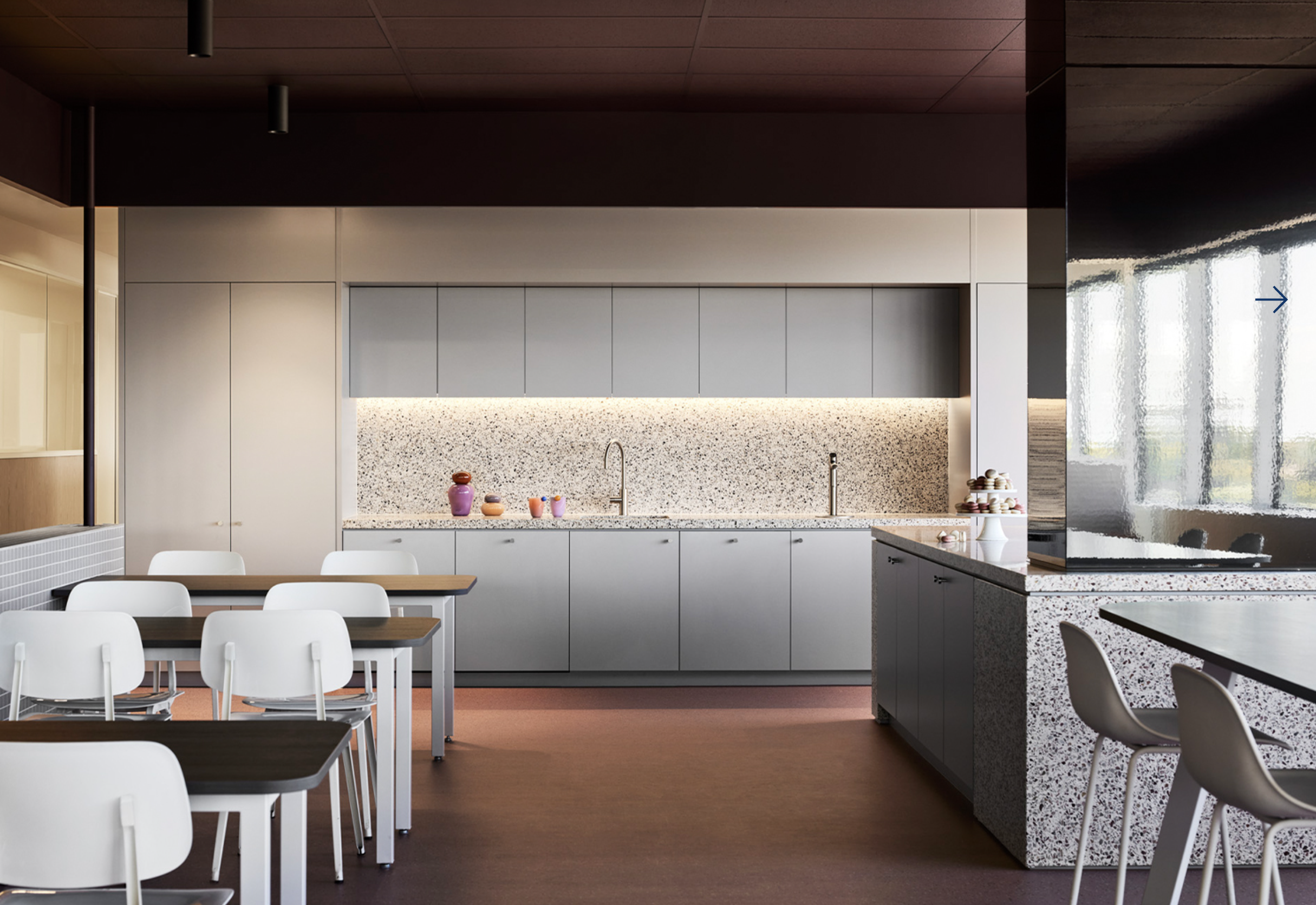
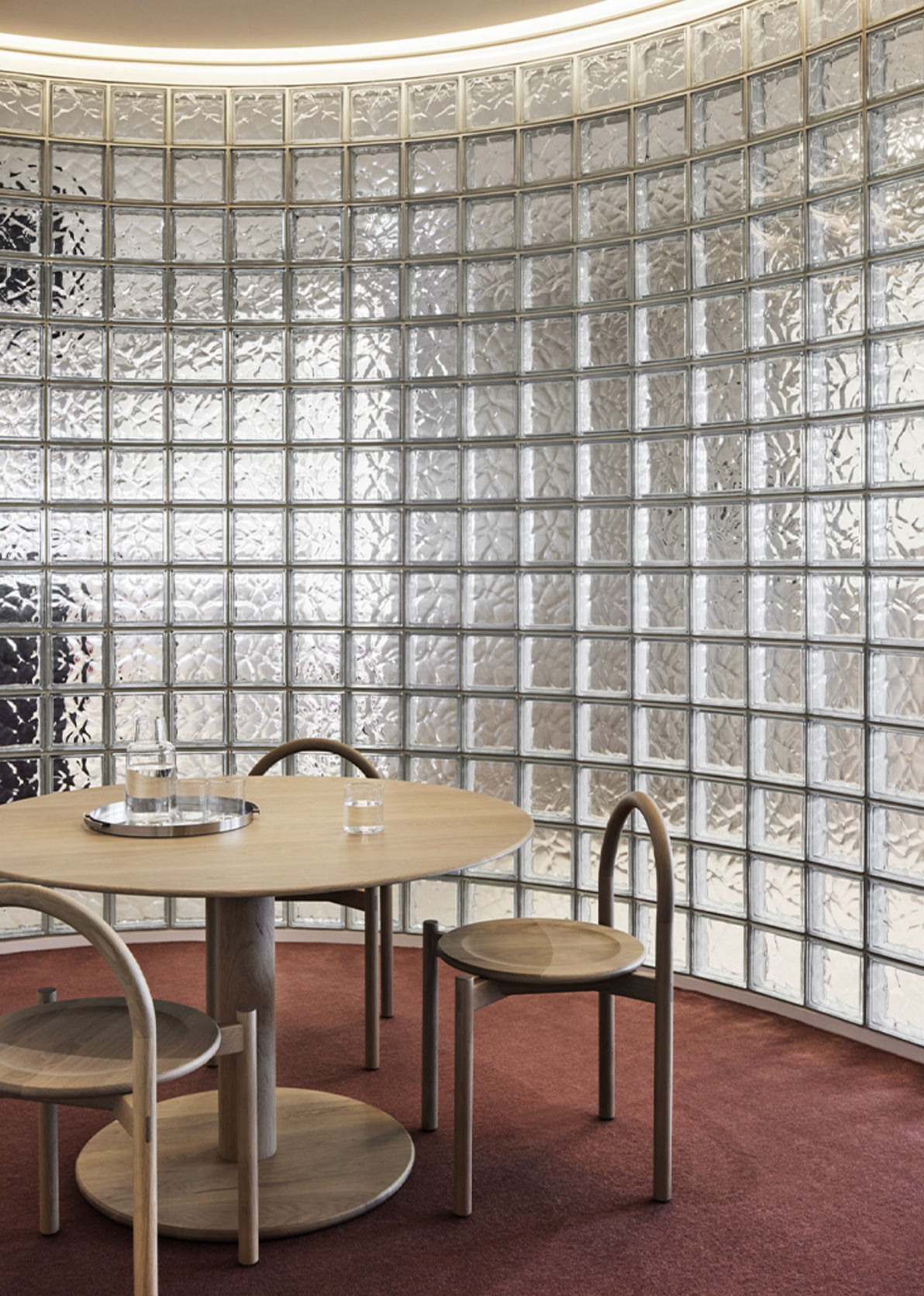
Studio Tate’s material palettes are typically restrained and tactile. Stone, timber, textiles, and metal are composed with discipline, creating depth without excess. Detailing is exacting. Junctions and transitions are resolved to reinforce spatial hierarchy rather than decoration.
This measured approach gives the studio’s workplaces a sense of longevity. Spaces are designed to age well, resisting short-term trends in favour of enduring quality and material integrity.
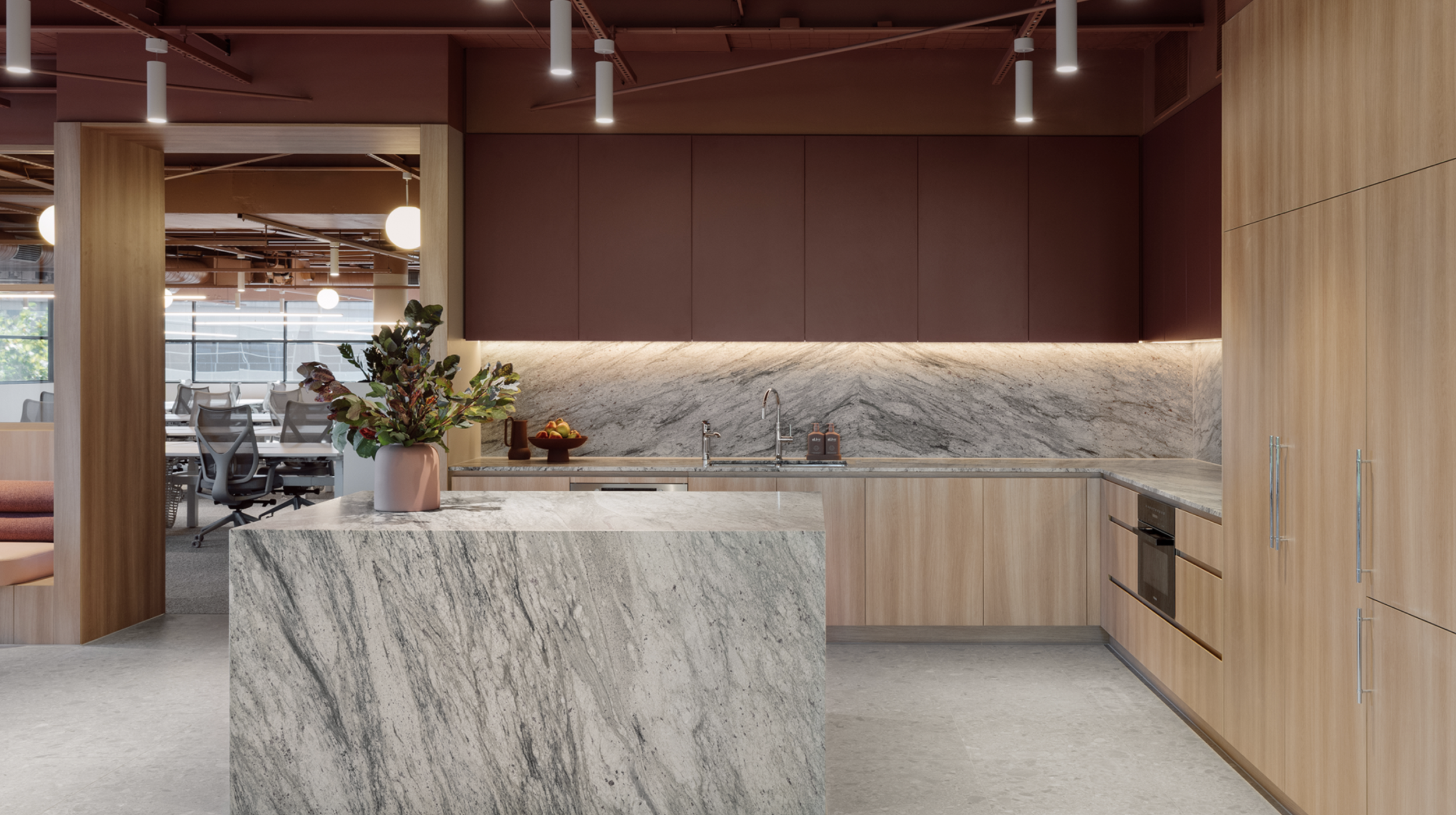
Studio Tate’s material palettes are typically restrained and tactile. Stone, timber, textiles, and metal are composed with discipline, creating depth without excess. Detailing is exacting. Junctions and transitions are resolved to reinforce spatial hierarchy rather than decoration. This measured approach gives the studio’s workplaces a sense of longevity. Spaces are designed to age well, resisting short-term trends in favour of enduring quality and material integrity.
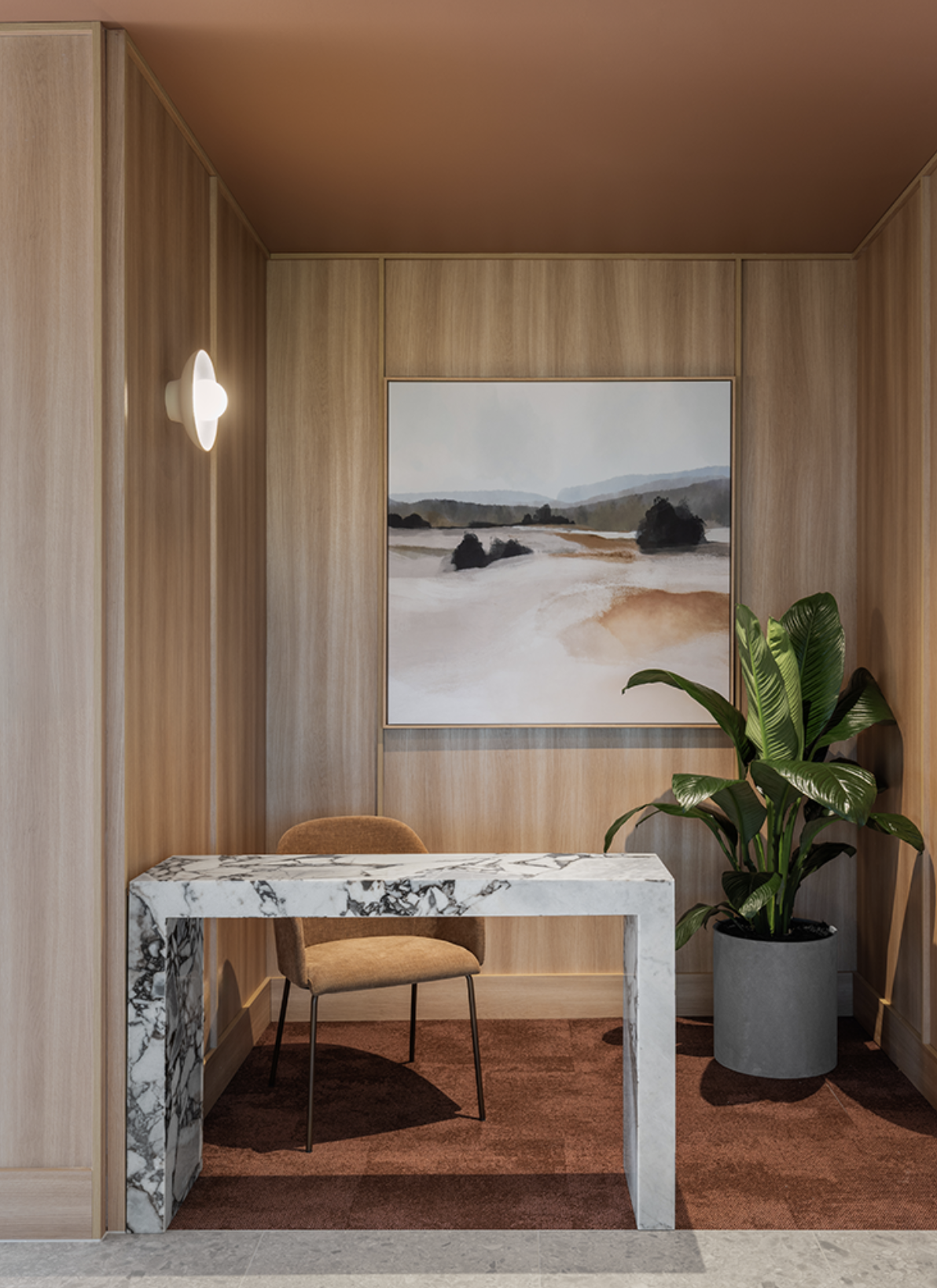
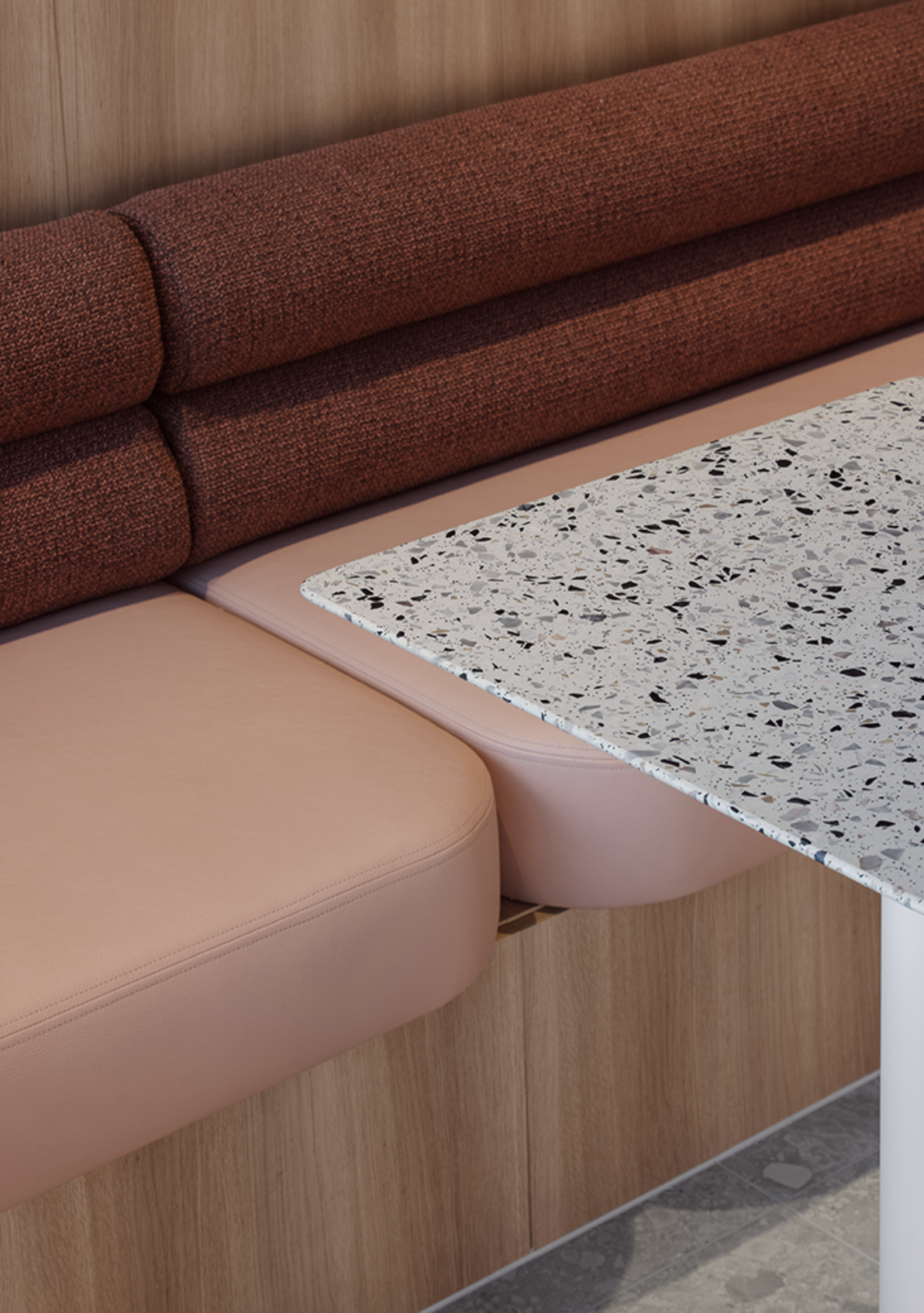
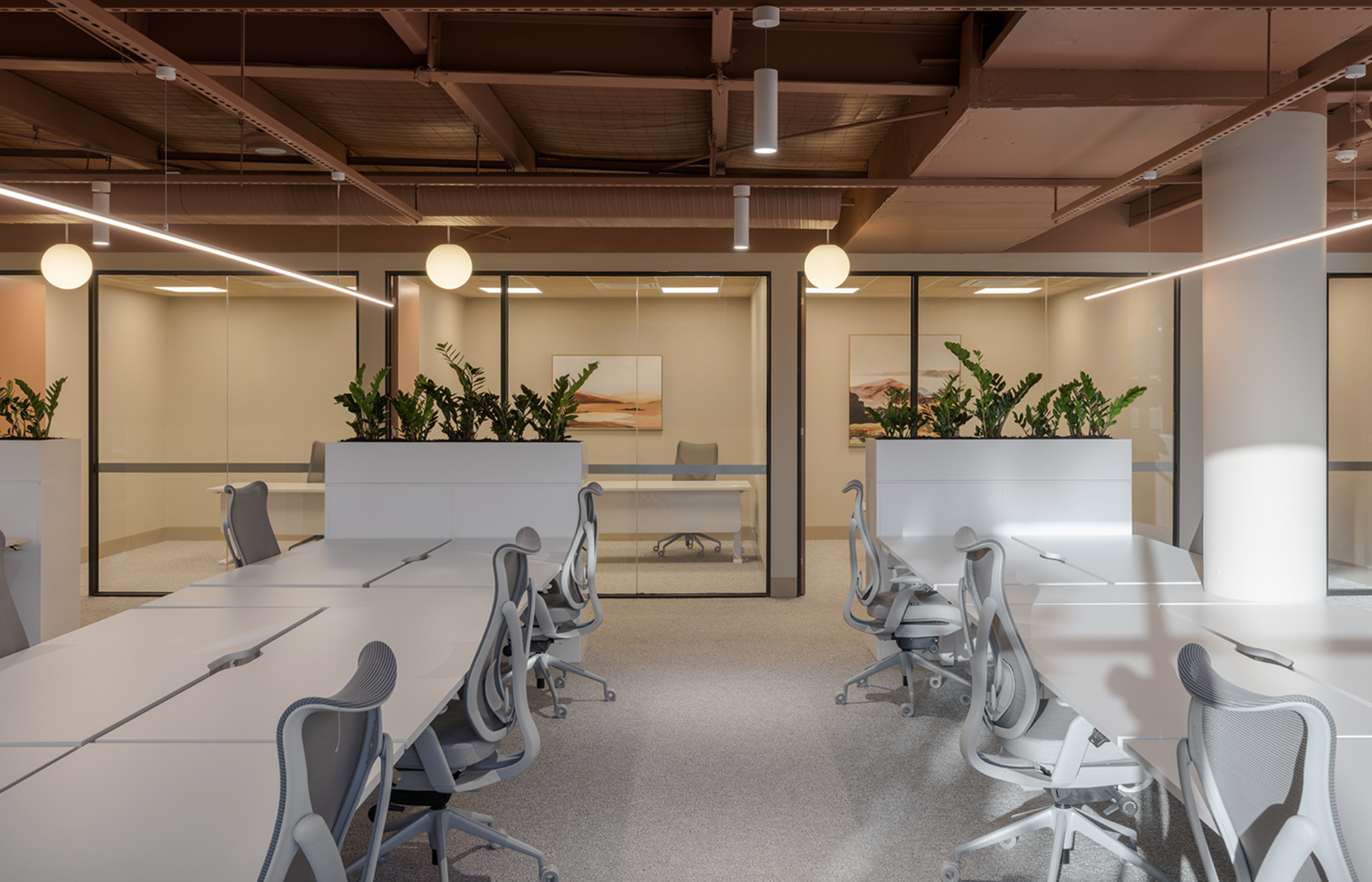
South Haven Spec Suite Level 3
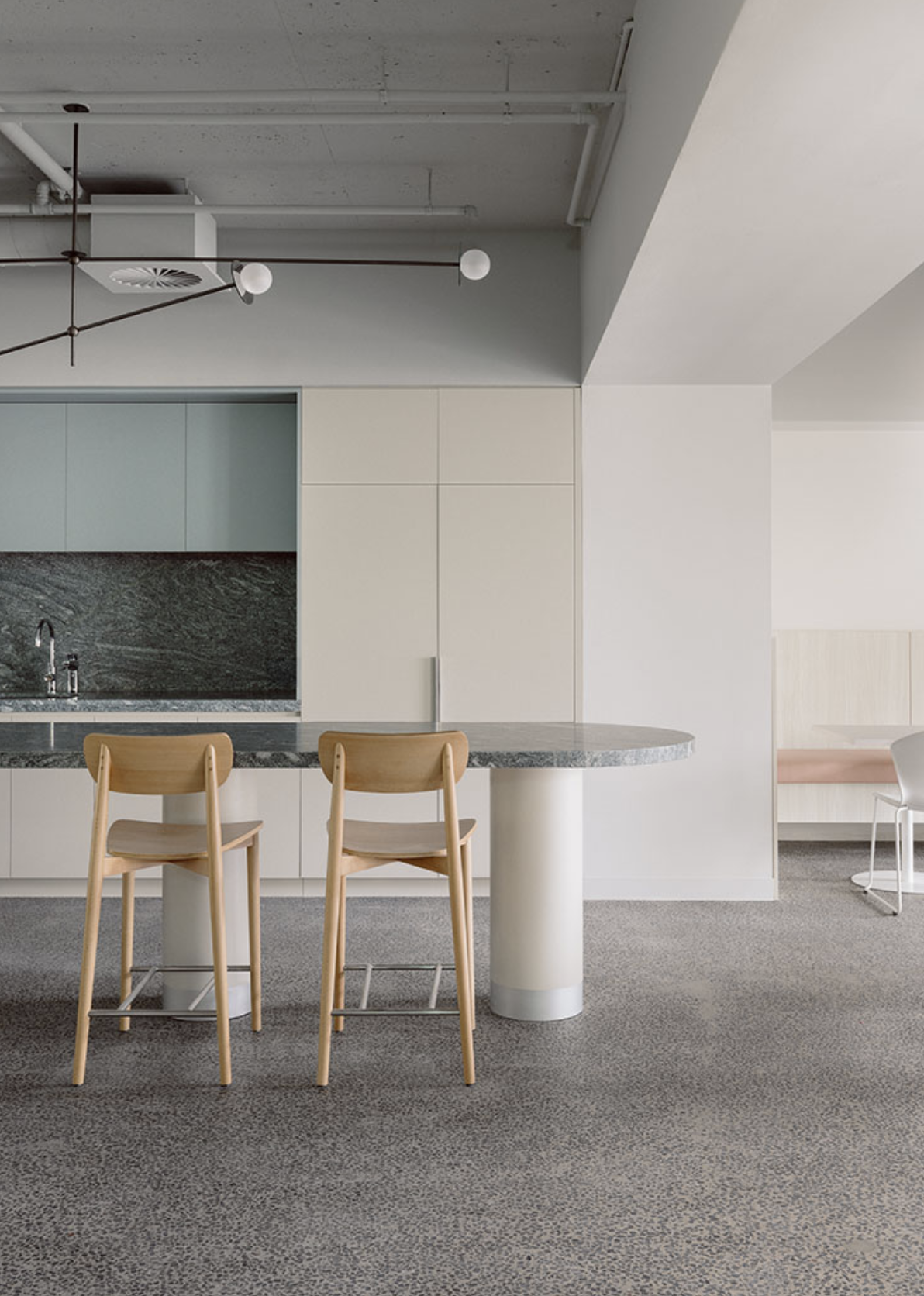
Culture is addressed through planning rather than programming. Kitchens, breakout areas, and informal meeting zones are treated as essential infrastructure, not secondary amenities. These spaces support everyday interaction, informal exchange, and shared routines that shape workplace culture over time.
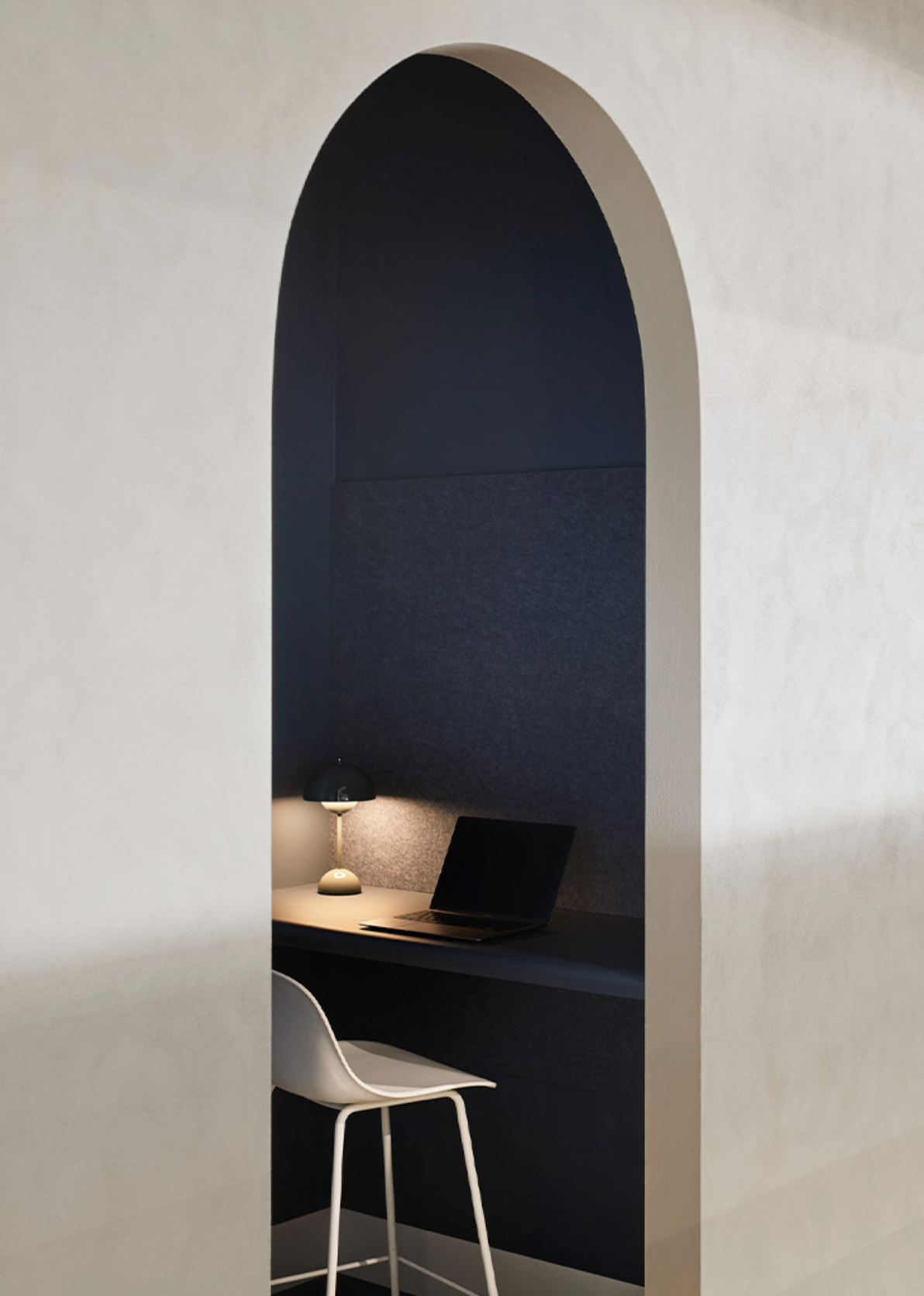
At the same time, focus is protected. Quiet work areas and enclosed offices are clearly defined, ensuring collaboration does not come at the expense of concentration. The balance feels deliberate and considered.
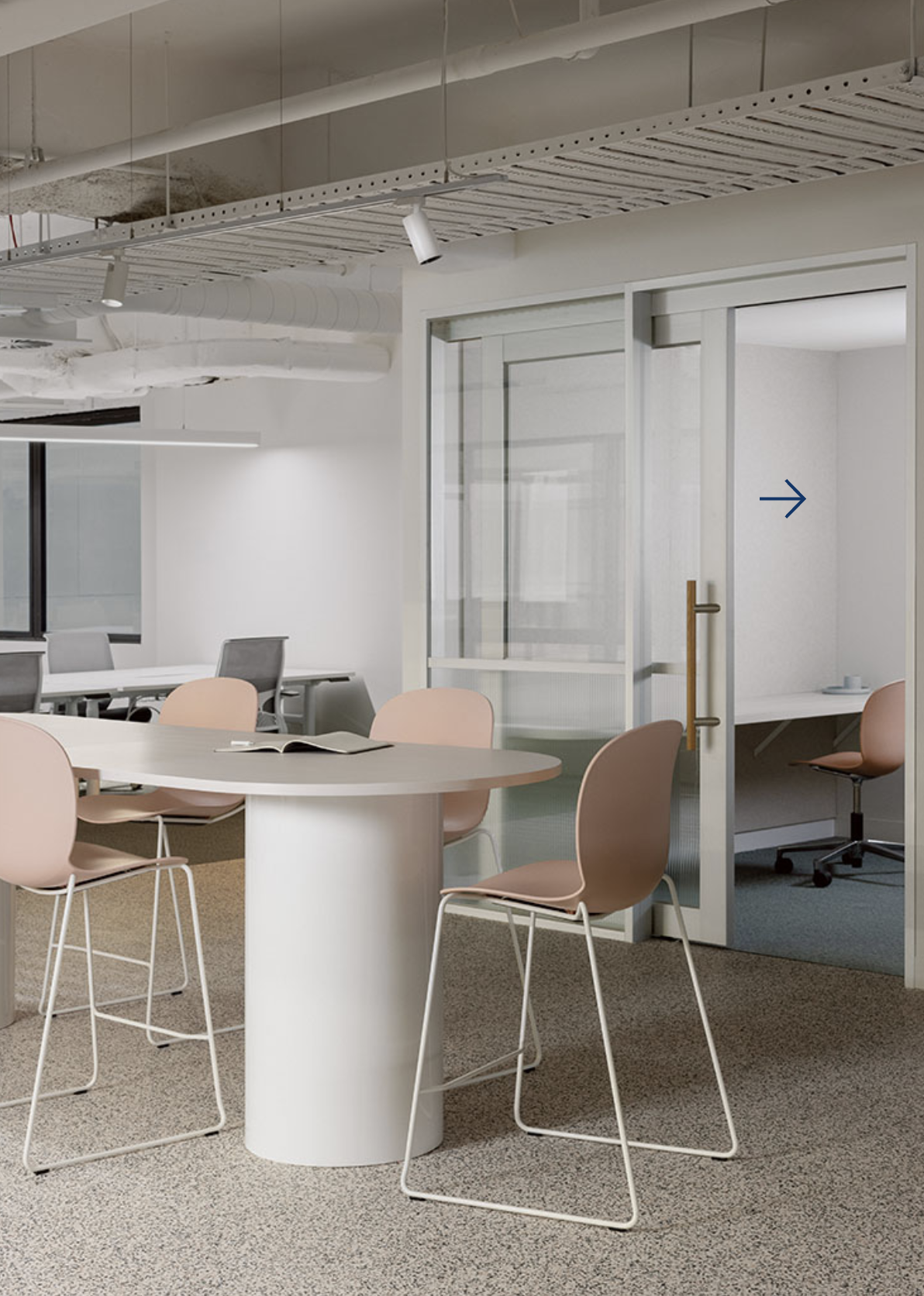
271 Collins Street Spec Suit, Photo by Elise Scott
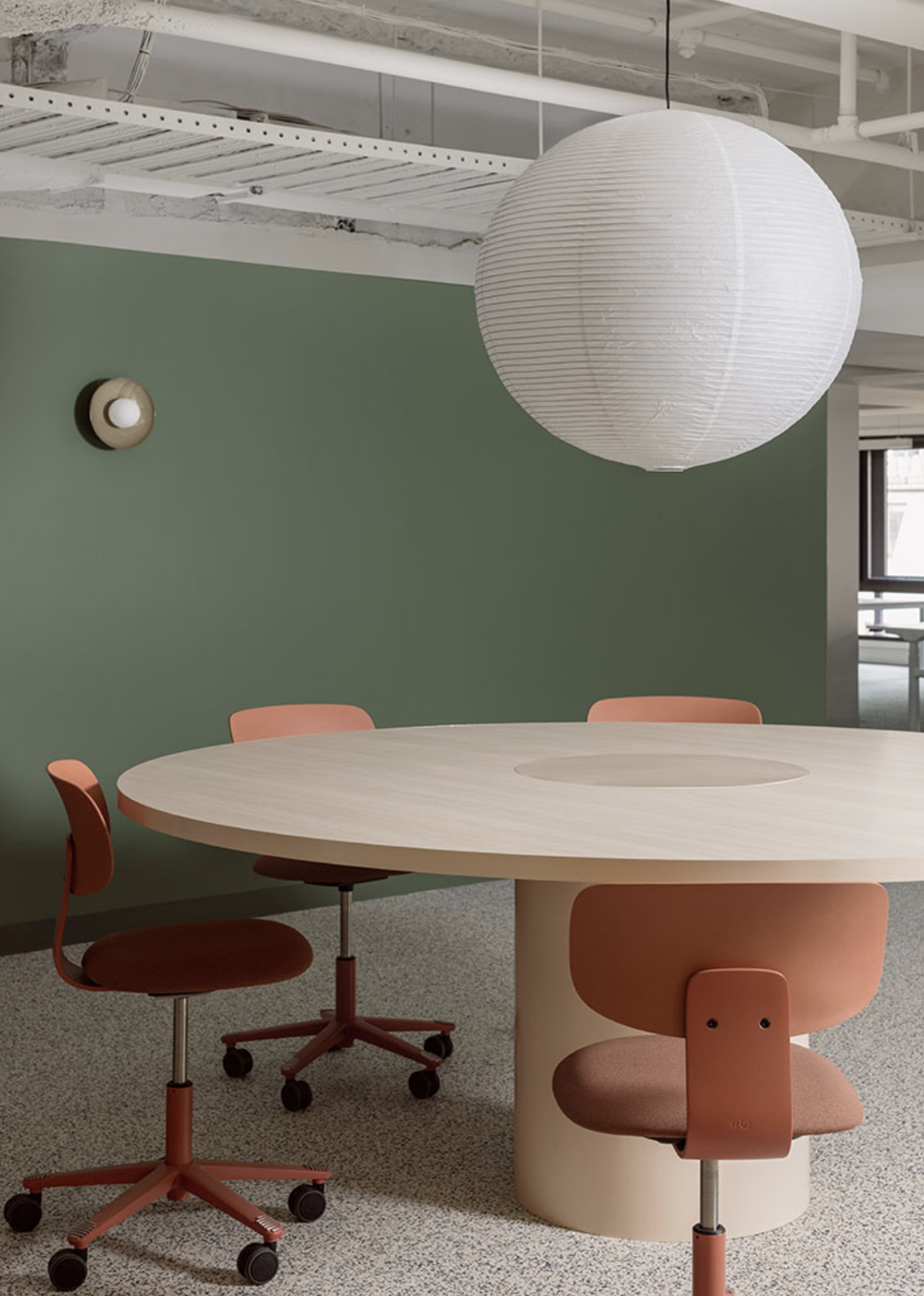
A value-led mindset runs through Studio Tate’s workplace projects. Investment is directed to high-impact areas, while supporting spaces are resolved efficiently. Modular systems, reused elements, and locally sourced materials are regularly employed to support both cost control and environmental responsibility.
Sustainability is embedded rather than declared. Durability, adaptability, and careful material selection form the basis of the studio’s environmental approach.
Waterman Coworking Space,
Uni Hill Town Centre, Bundoora
Photo by Sharyn Cairns
In the context of hybrid work and shifting expectations, Studio Tate’s approach remains grounded. Their workplaces avoid extremes, neither overly corporate nor overly casual. Instead, they offer flexible, composed environments capable of accommodating change without losing coherence.
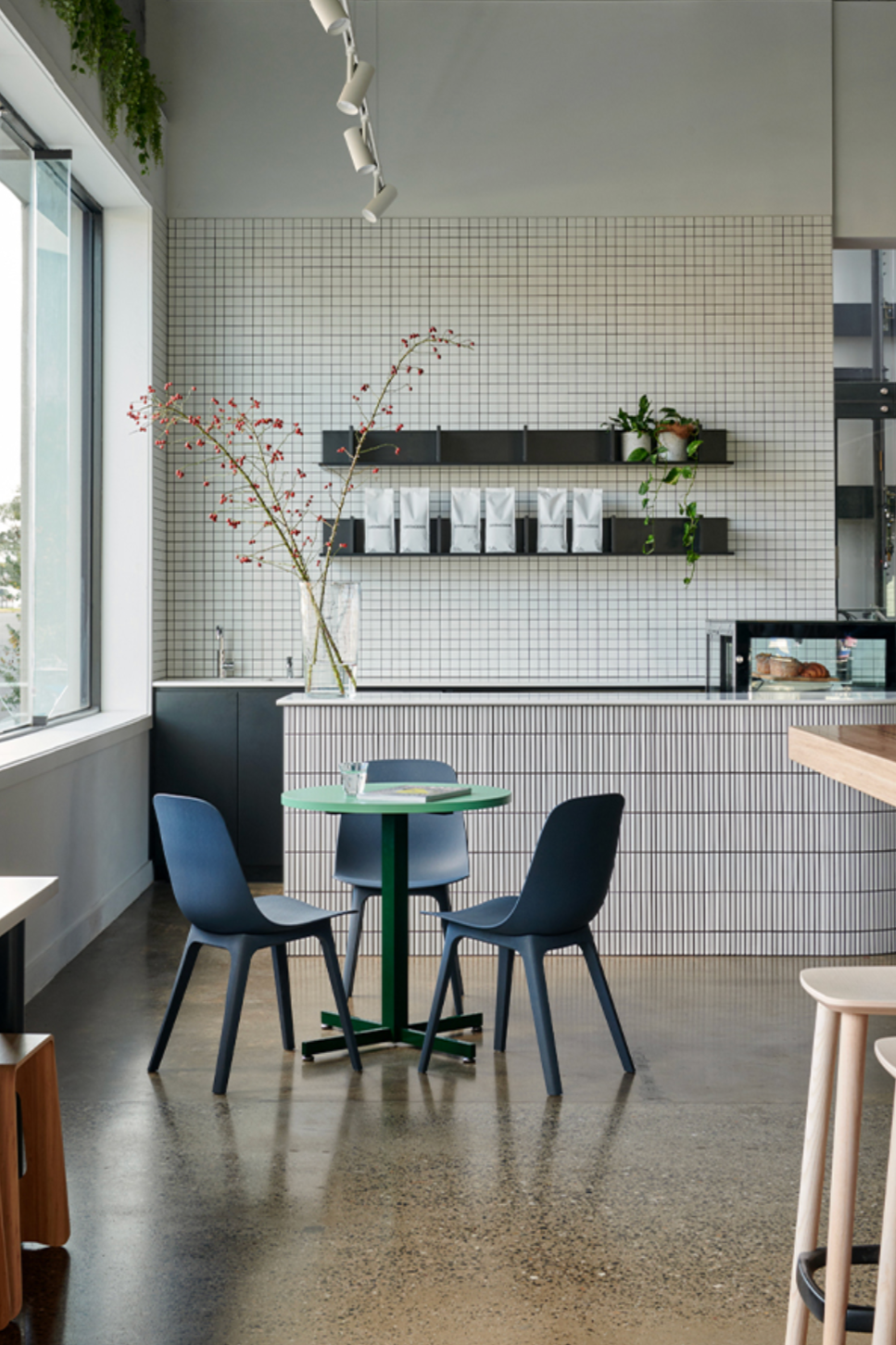
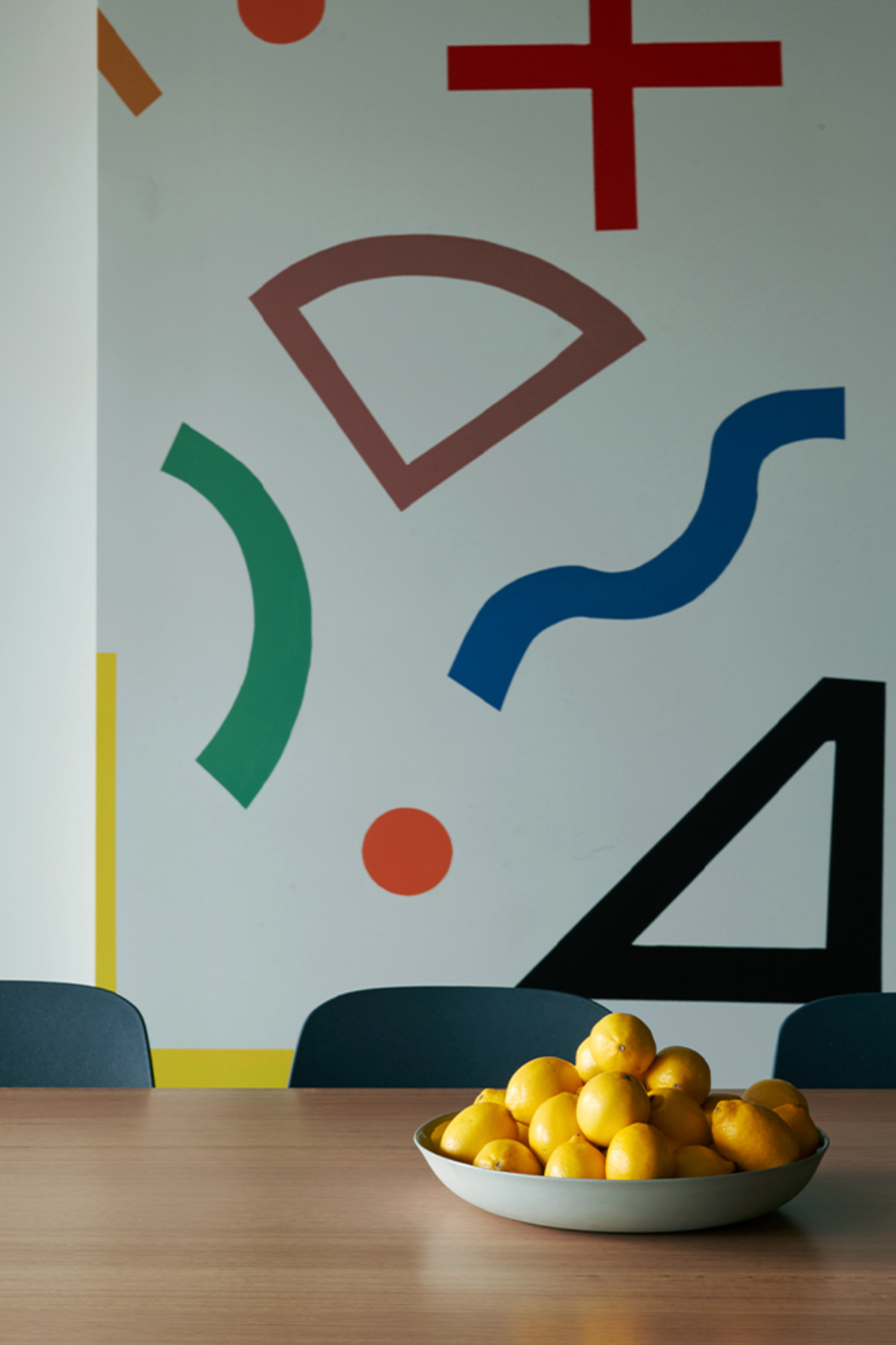
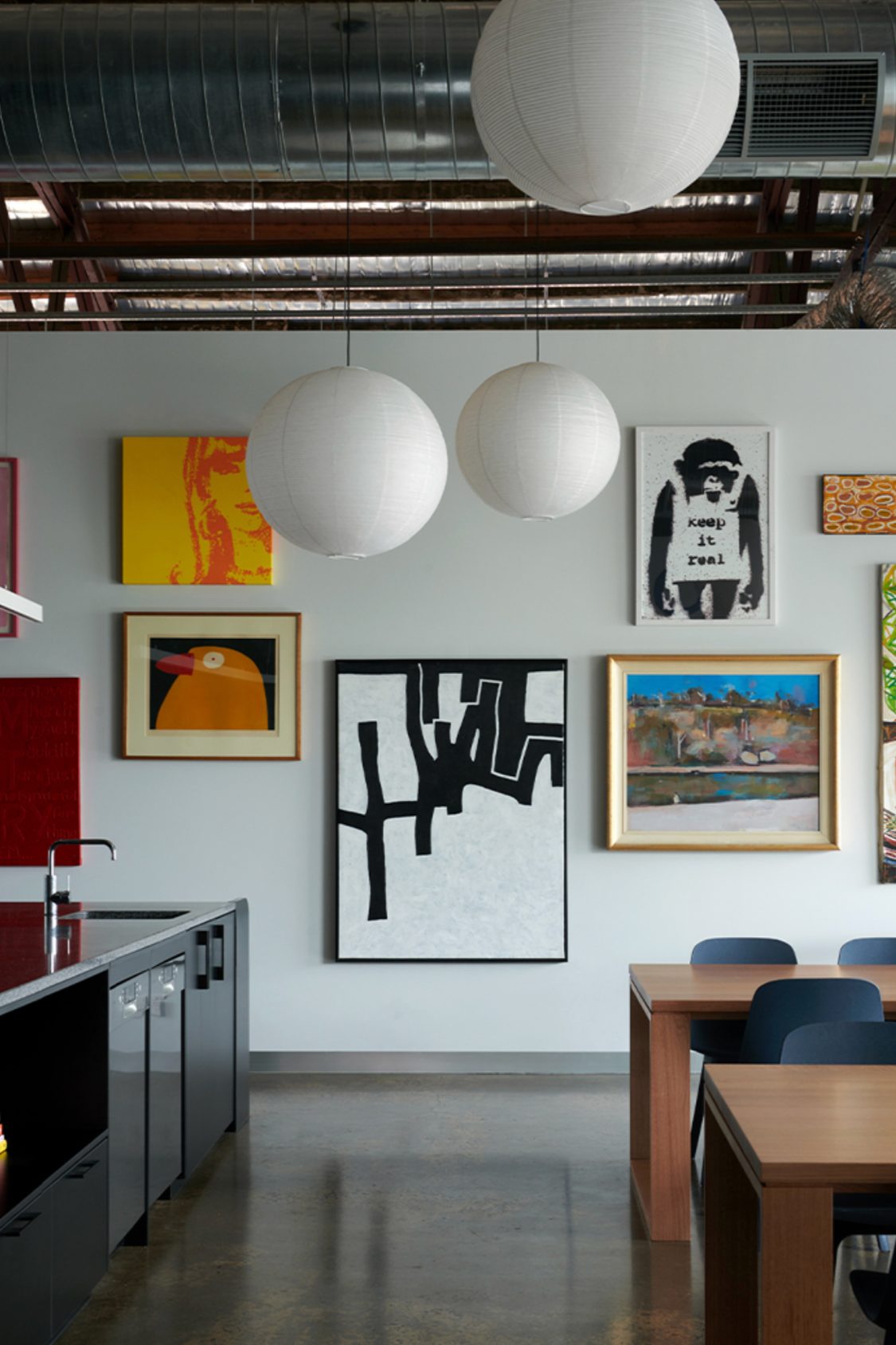
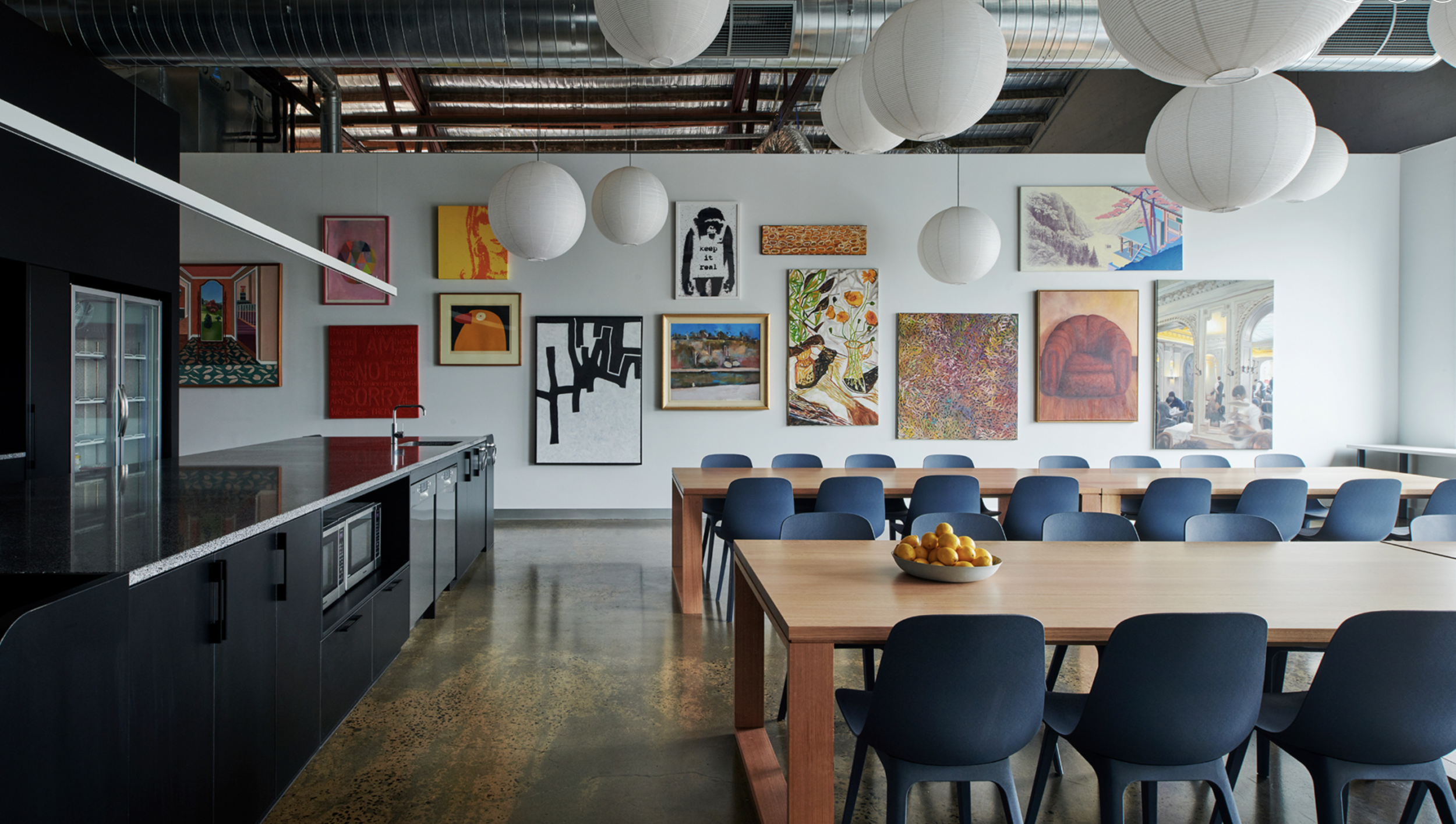
Our Community House, Coworking Space, photo by Thomas Brooke
Studio Tate’s work suggests that successful workplace design does not need to be loud to be effective. Clarity, restraint, and care remain the most durable tools for shaping spaces that truly support work.
For a deeper look at Studio Tate’s workplace portfolio, explore their projects here
Imagery Source: Studio Tate
