
The T&G Building - The Heart of Corporate Melbourne
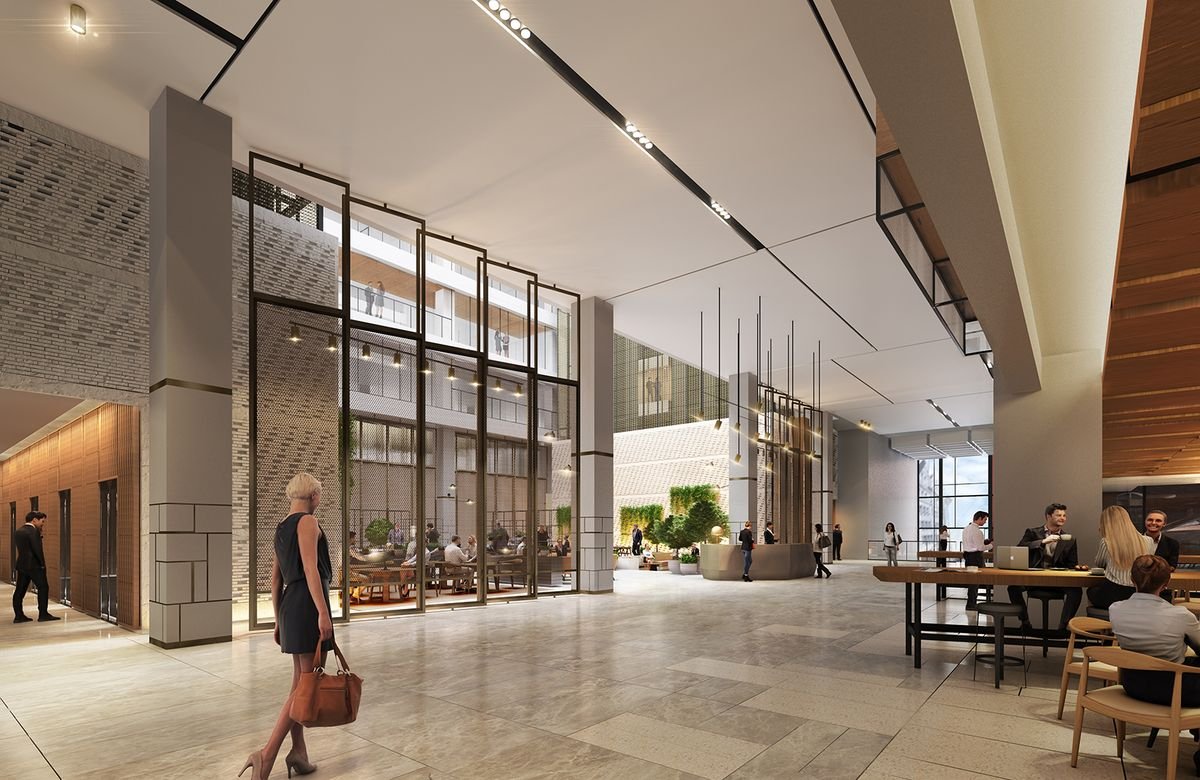
If you’ve ever stepped into the T&G Building on Collins St, you’ll have felt the overcoming sensation of both history and potential radiating from its endless ceilings. Men in tailored suits and the sound of crisp stilettos striding across the polished marble floors. Liminal Cafe, a space between spaces where meetings unfold and the biggest deals are closed over a simple cup of ‘Melbourne Magic’.
It’s a living, breathing piece of Melbourne legacy. Its modern incarnation by Bates Smart houses some of the biggest names in business, along with their workplaces. Its tenants include Google, Gucci, Nike and Melbourne’s very own Lune Croissanterie. Stepping into the T&G building feels like you’re amongst the "crème de la crème" - the pinnacle of professional prestige. It makes you question, what of its design anatomy makes this space so aspirational and so iconically Melbourne?
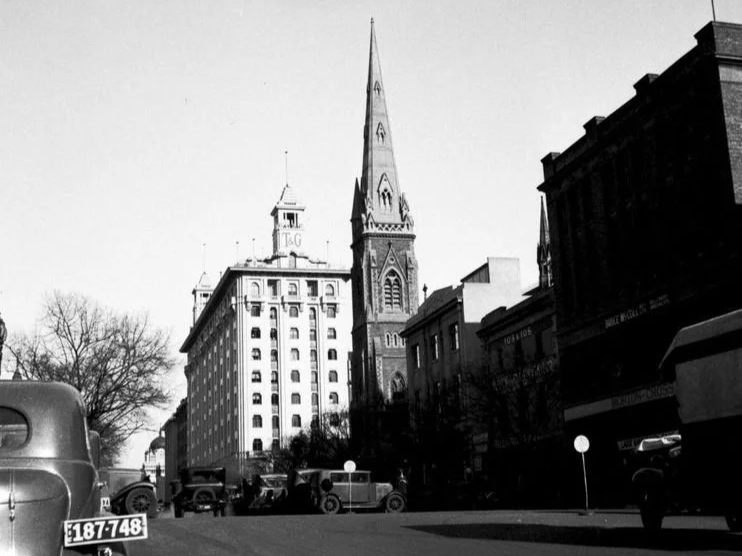
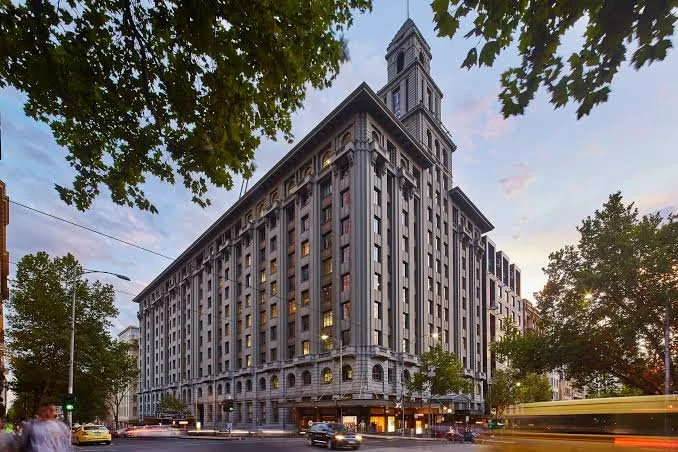
Built in 1928, the original T&G building was designed by architects A & K Henderson as the headquarters of the Temperance & General Mutual Life Assurance Society, a major Australian insurance company. Designed in a stripped classical, emerging Art Deco style, the building was one of Melbourne’s very first large modern office towers. It represents over a hundred years of workplace evolution in Melbourne as well as the rise of the corporate finance and insurance industries.
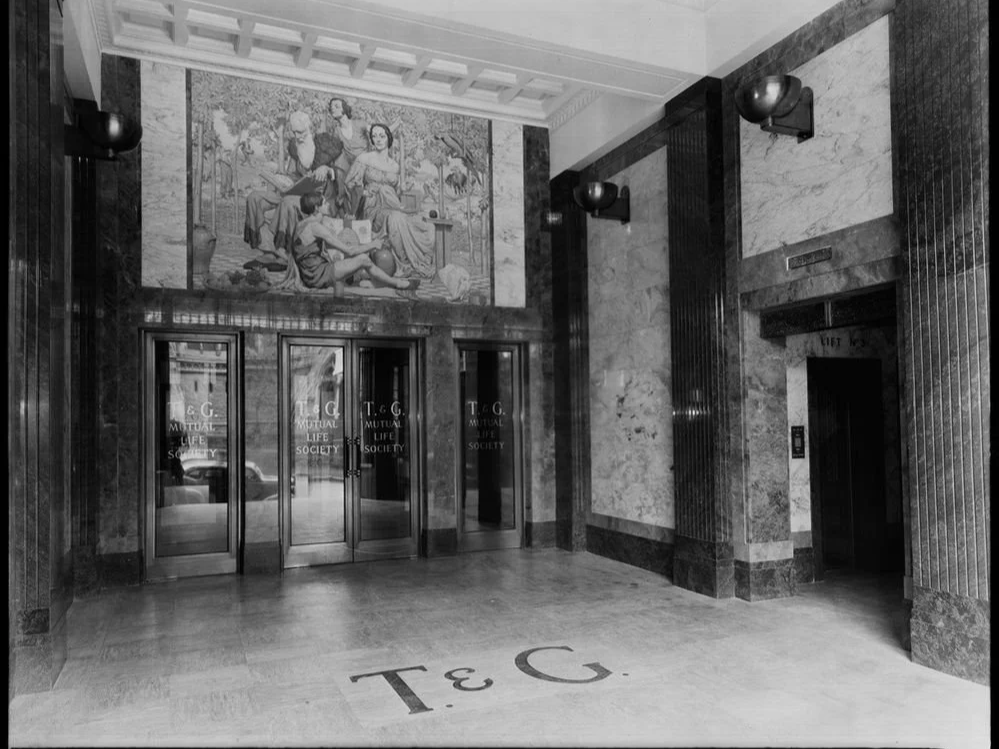
Just two years after it opened, the building was voted “Melbourne’s most beautiful building” in a competition run by the Herald newspaper in 1930. Even today it remains one of the most elegant heritage buildings on the “paris end” of Collins Street - associated with luxury, prestige and professional culture in Melbourne.
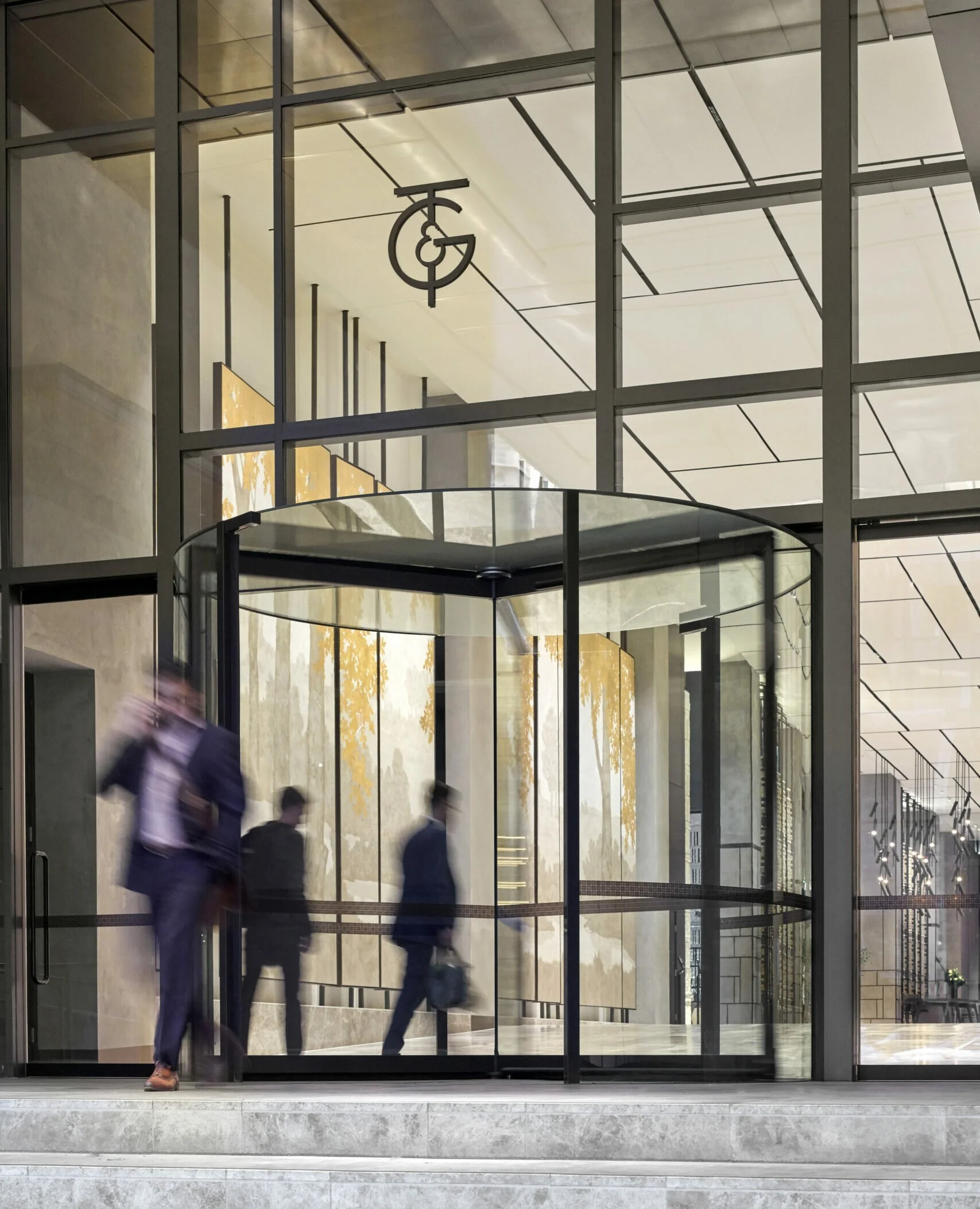
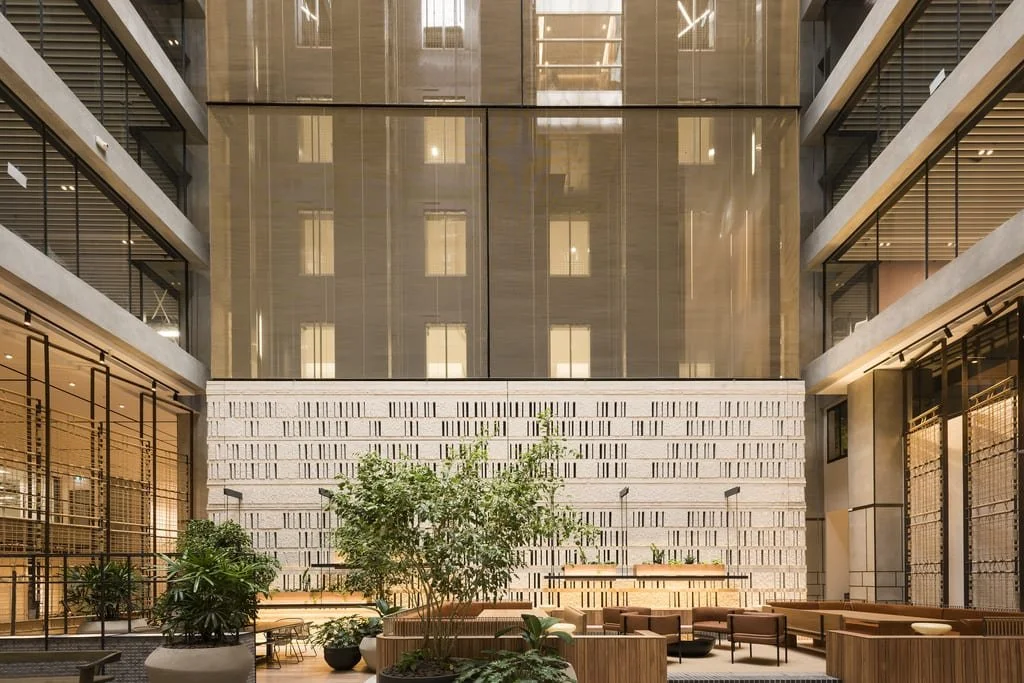
Imbued with the presence of all the greatness that came before, the heritage structure is now layered with its 2018 incarnation designed by Bate Smart. The major redevelopment included a -redesign of the central atrium and lobby to transform it from a generic circulation space into the social heart for the building. The design strategy focused on activating the central atrium, improving the connection between retail, café and office tenants, creating a more inviting, hospitality-driven arrival space.
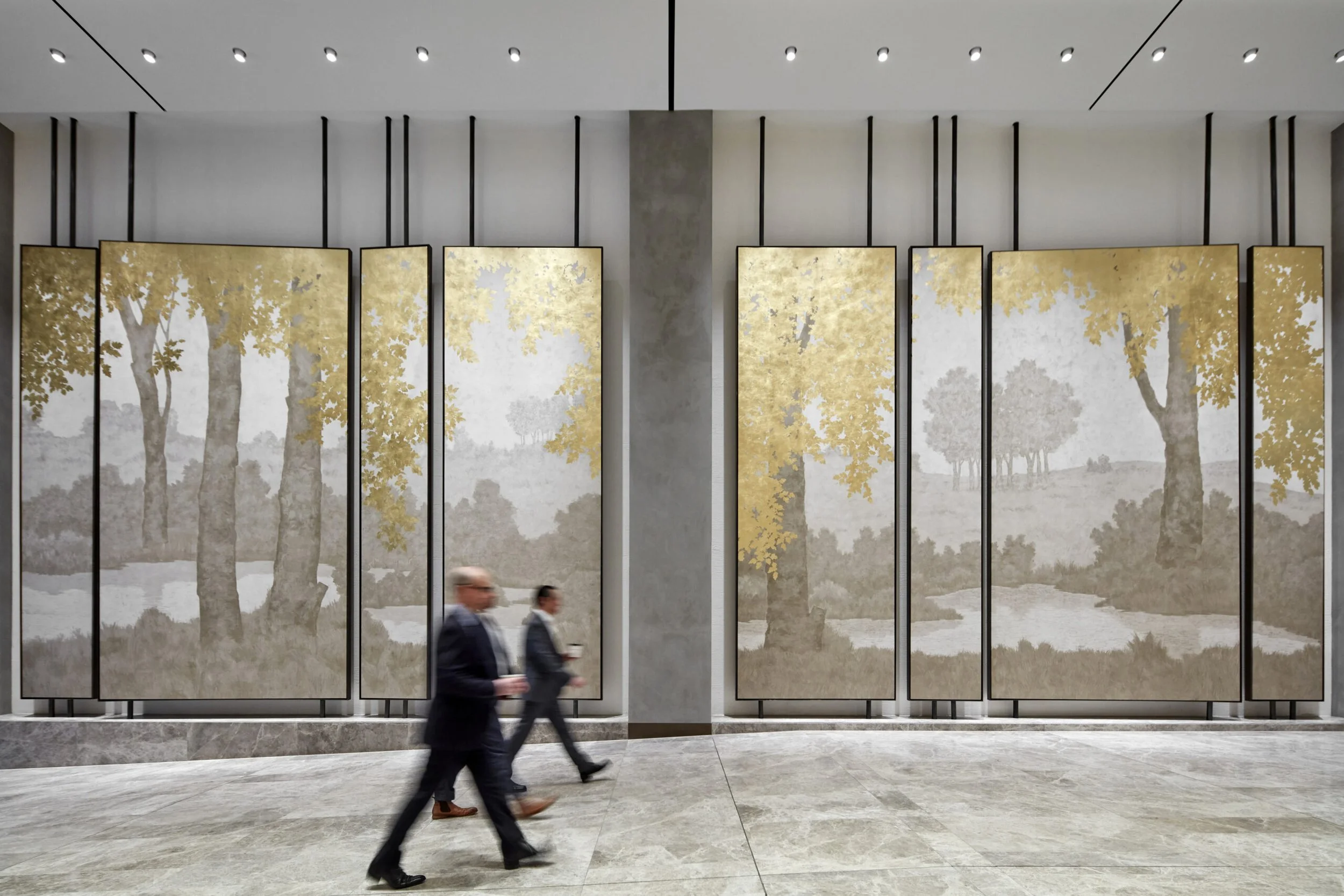
Historically, the building had an internal lightwell typical of 1920s office buildings. Bates Smart reopened this void, creating the dramatic atrium that now forms the building’s central gathering space. The marble floor is mostly left original to the 1928 building, but was carefully restored during the refurbishment. In the early 20th century, insurance companies used luxurious materials to communicate stability and prestige. Marble floors were common in: bank headquarters, insurance offices and civic buildings. Material and lighting choices work hand in hand with large reflective marble slabs amplifying the natural light from above.
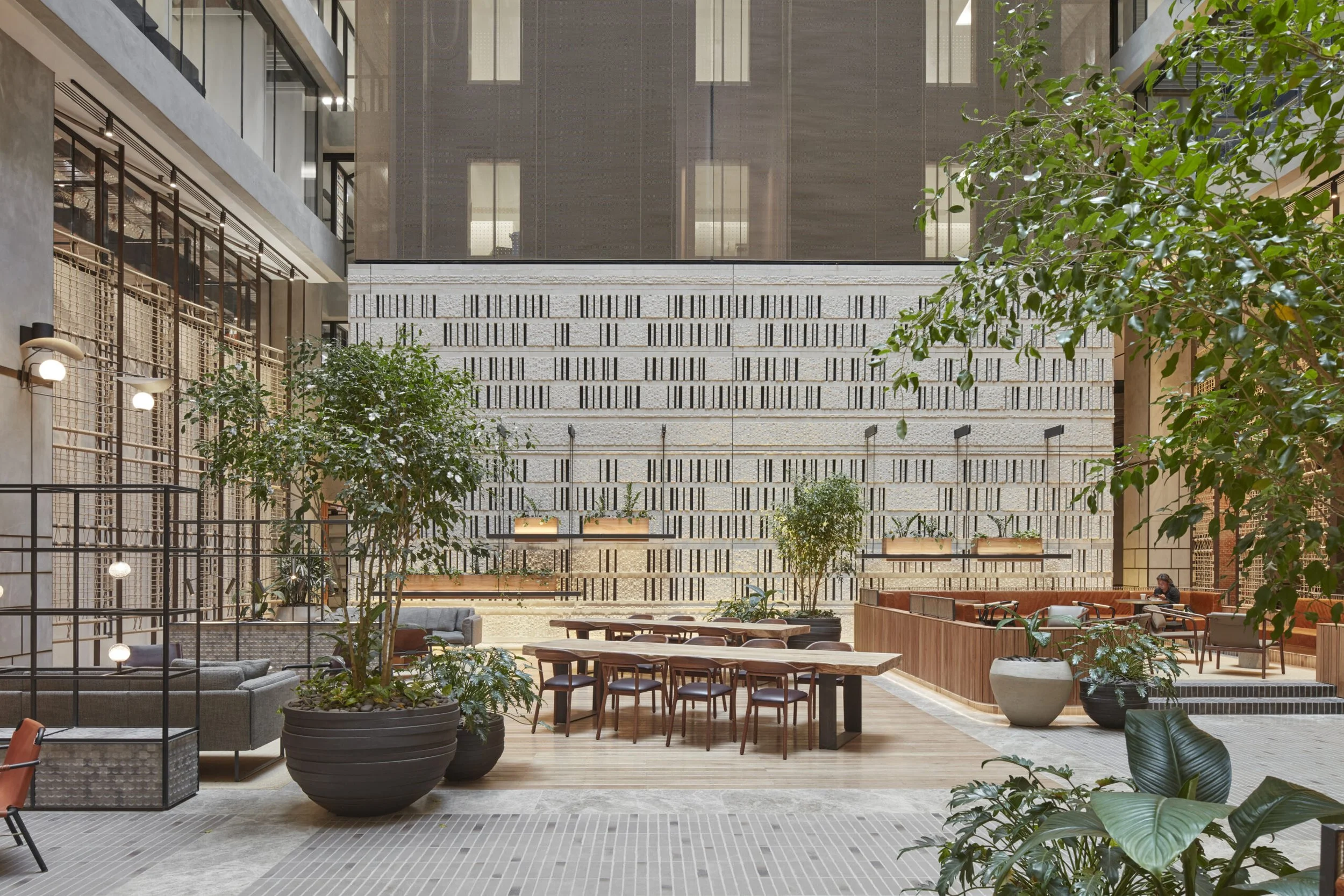
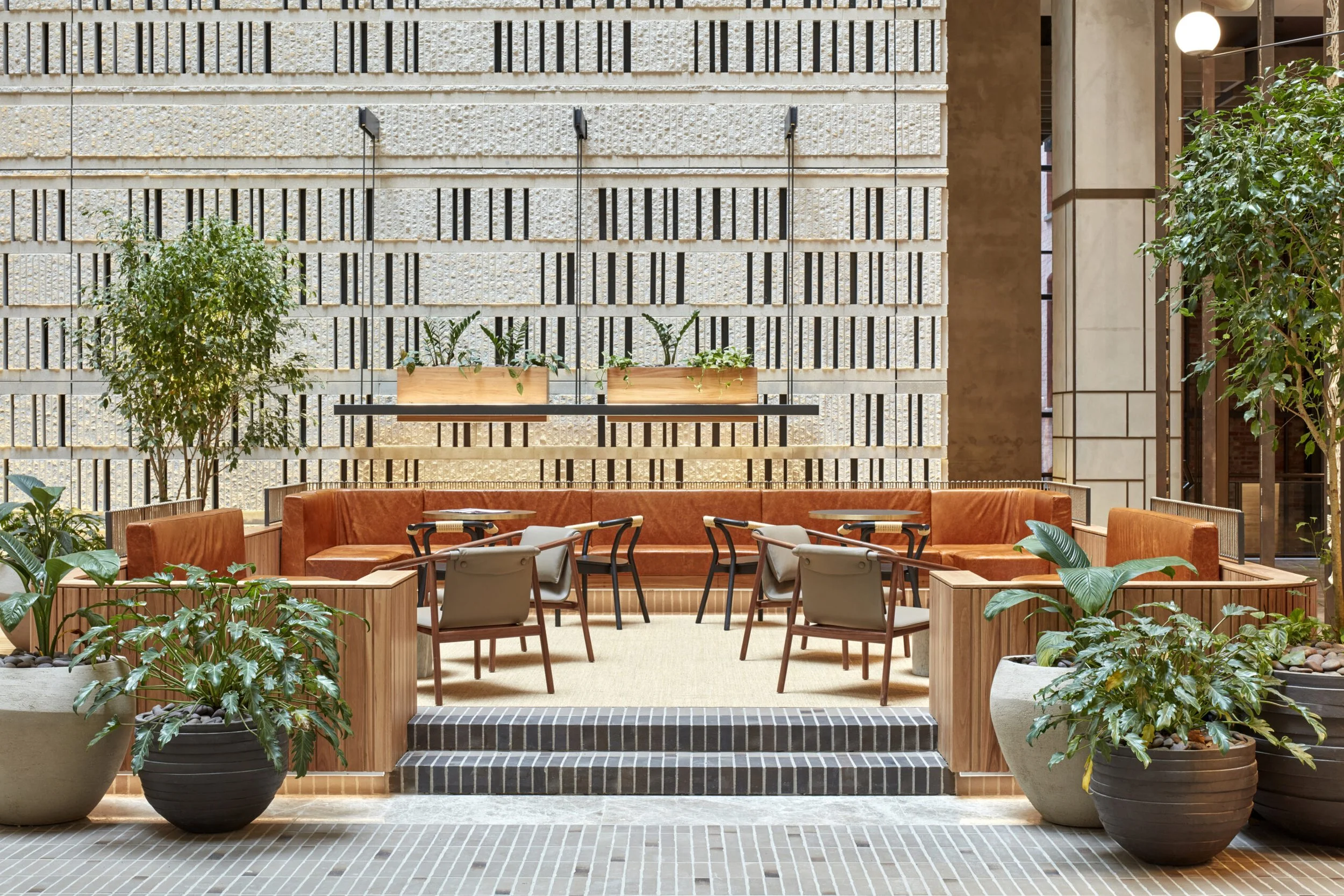
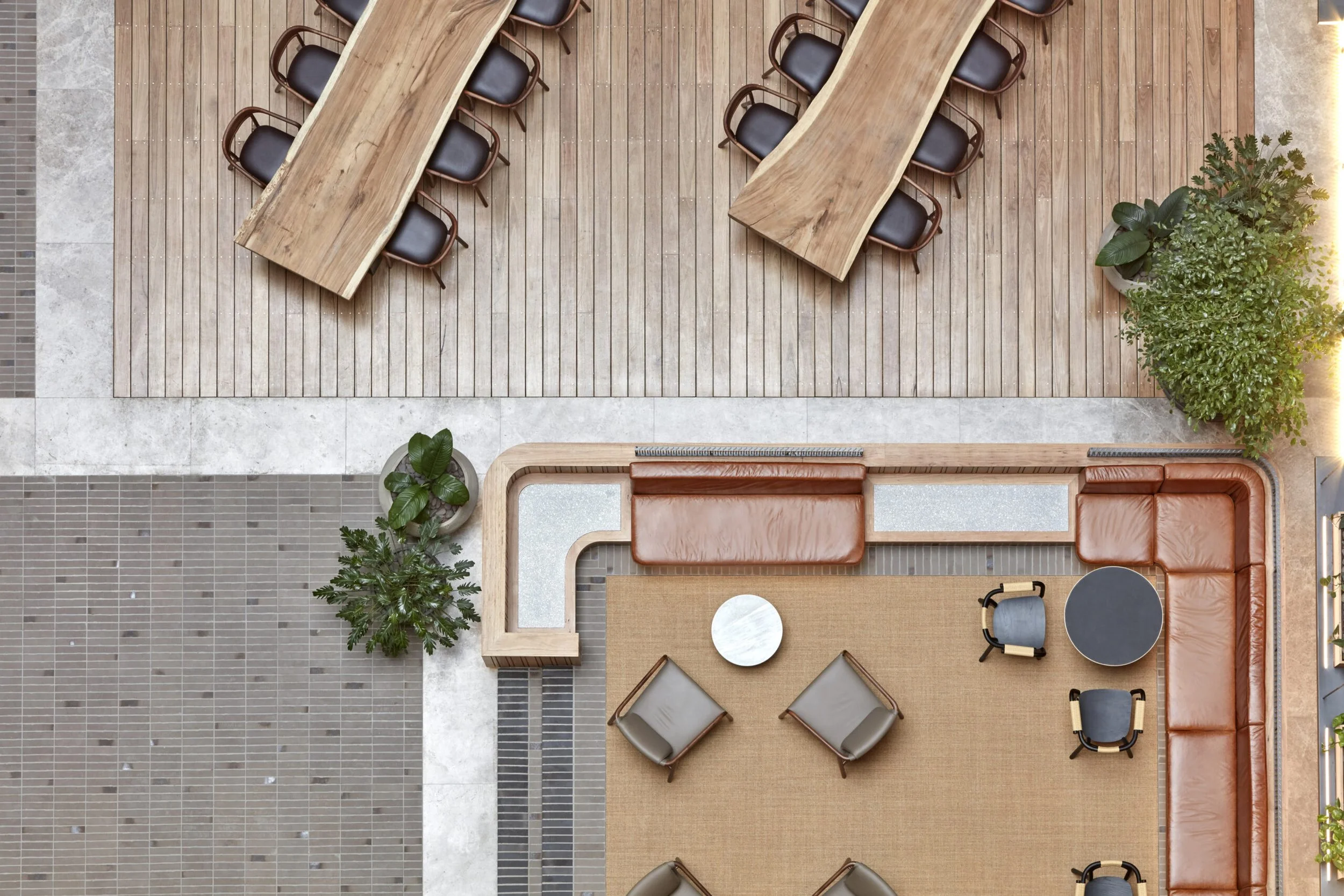
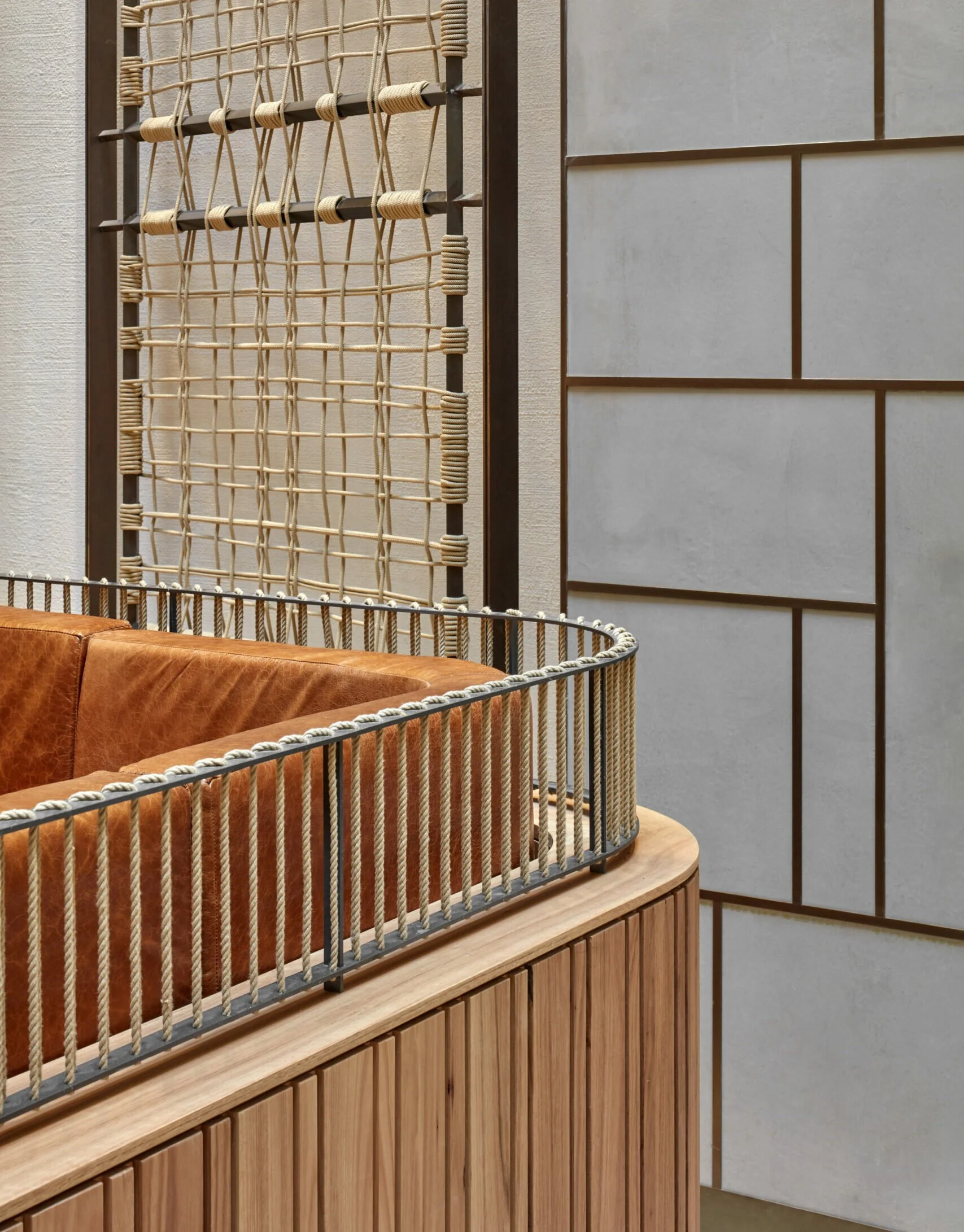
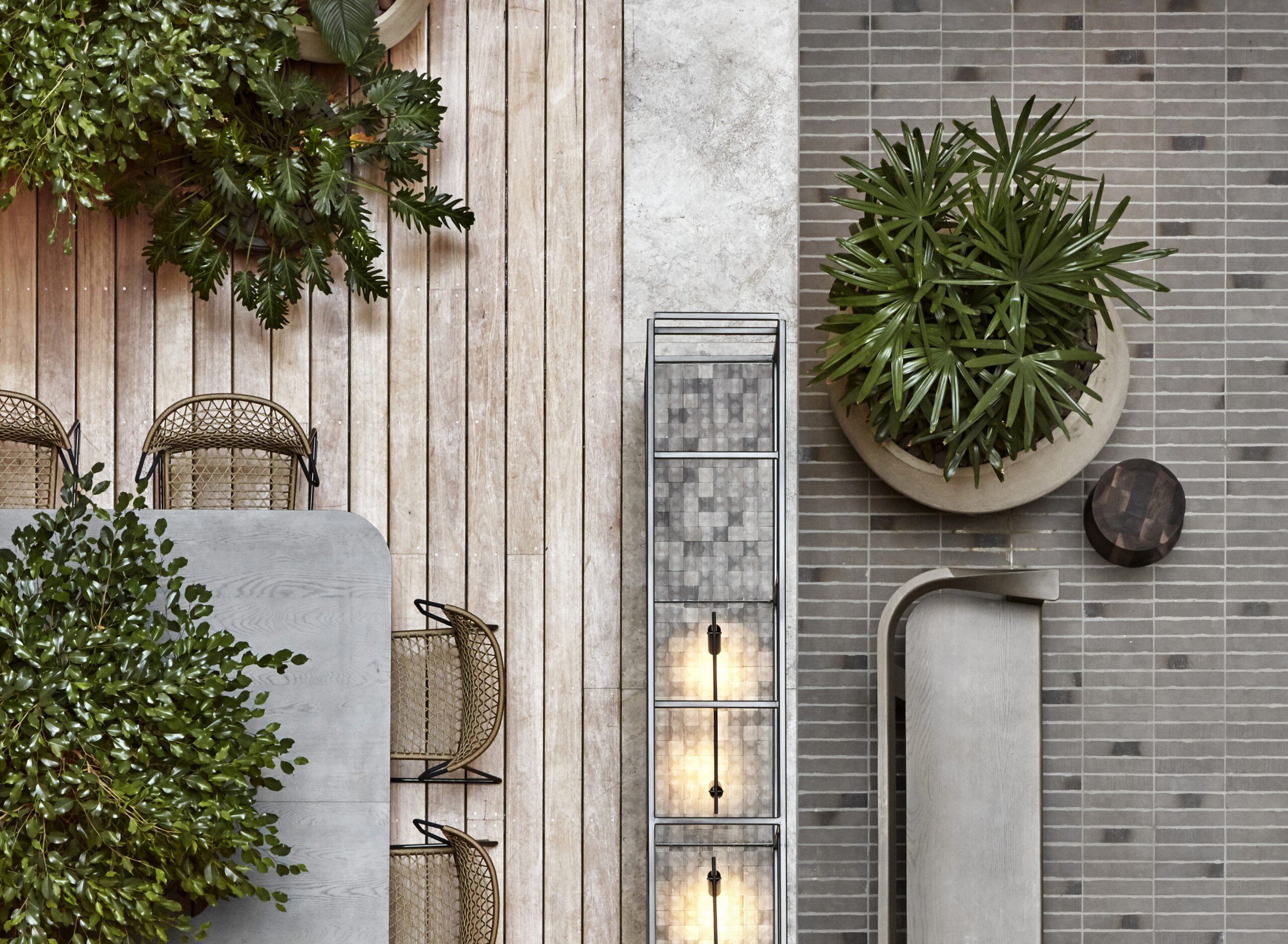
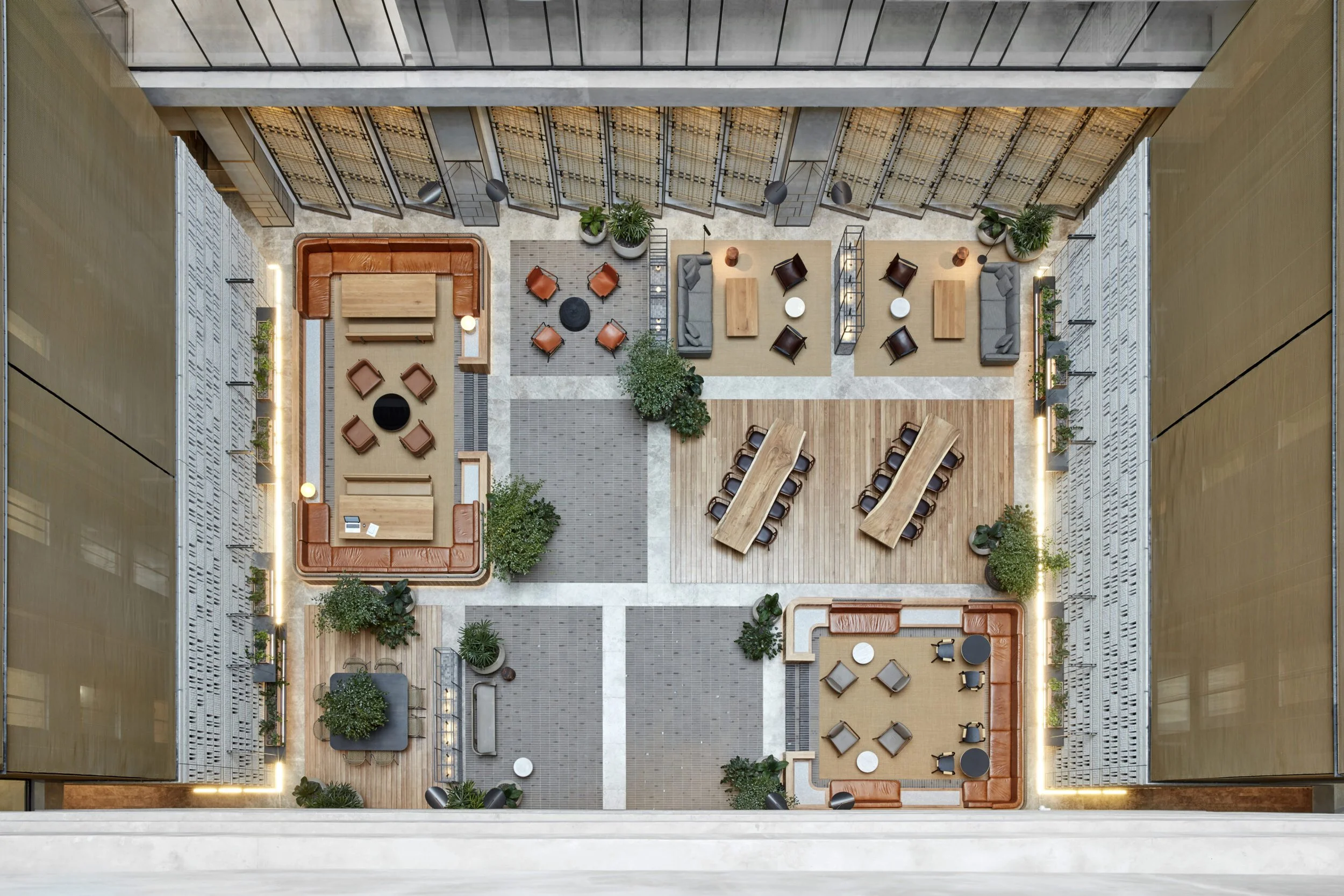
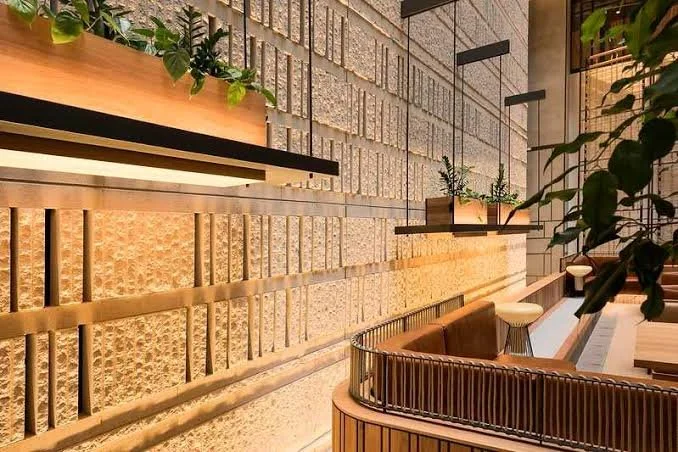
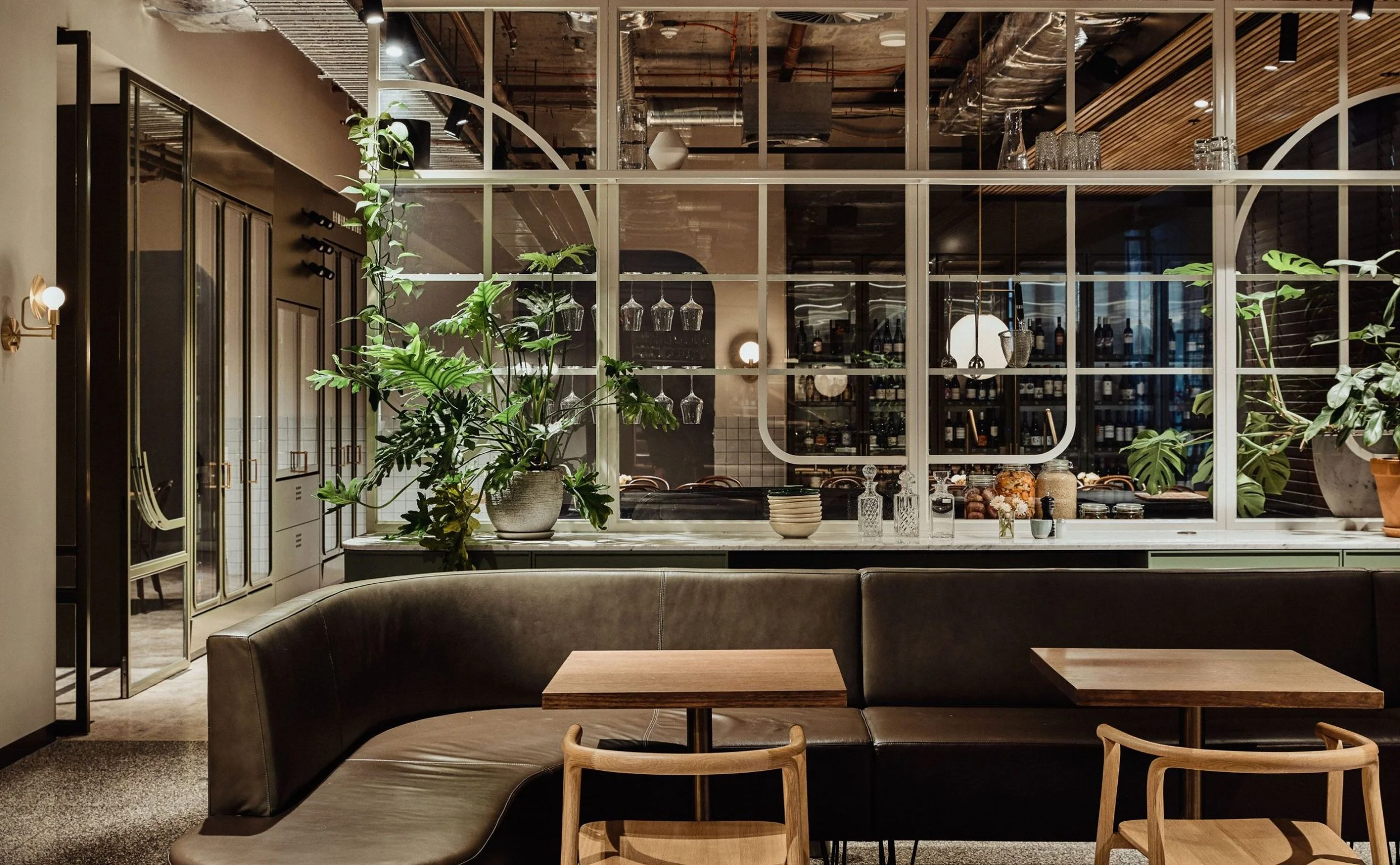
Designed by The Stella Collective, Liminal Cafe - as its name perfectly suggests - acts as the central transitional zone in the building. Part café, part wine store and part meeting place - the design captures the essence of the T&G building. Warm light bounces off stone walls and marble surfaces. Light timber and sage tones, accented with brass elements balance formality with comfort. A diverse array of seating arrangements from banquette style seating, soft curved couches, and big communal meeting tables conveniently clad with power sockets offer space for every type of interaction to unfold. In many ways, Liminal operates less like a café and more like a shared living room for the building’s tenants to meet, co-work, unwind after work, or seamlessly network across companies.
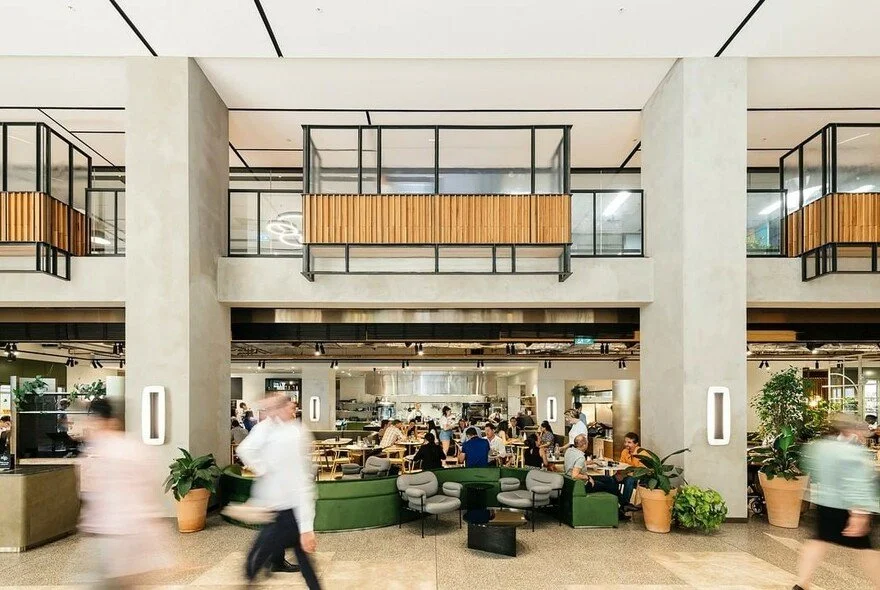
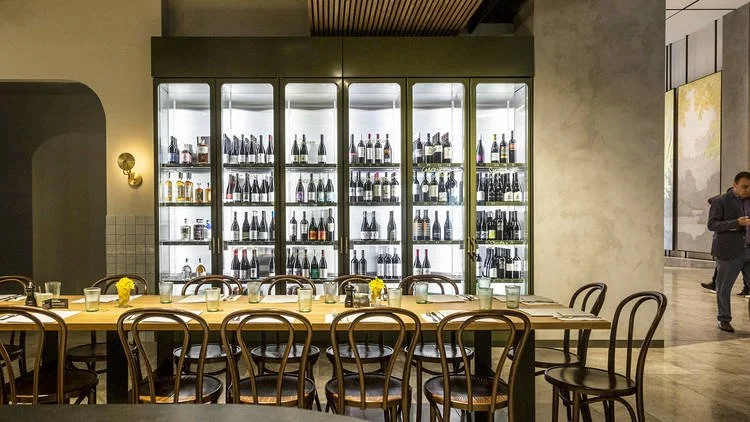
Across many contemporary office buildings, the traditional lobby is disappearing. In its place is a hybrid environment where hospitality, work and social interaction overlap. The T&G Building offers a compelling example of this shift into this idea of ‘third spaces’. Culturally, this design showcases how corporate culture is realising the importance of infusing more elements of life into work. By transforming the atrium into a place people actively use throughout the day, the building extends the workplace beyond the office floorplates above.
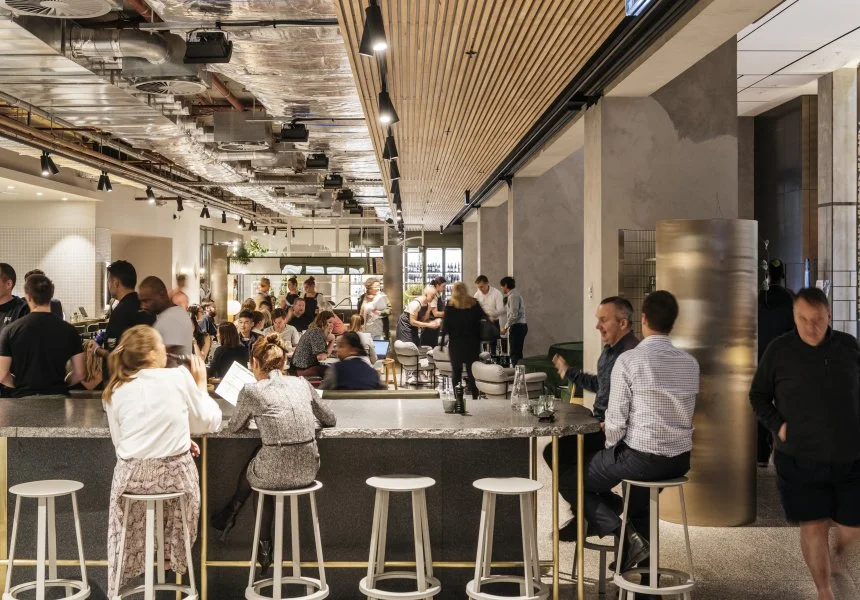
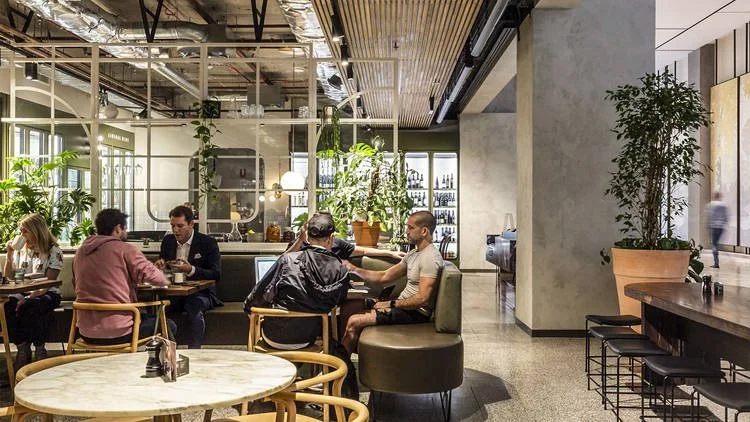
In the end, the enduring appeal of the T&G Building lies in its ability to bridge eras. The marble floors and towering stone walls carry the weight of nearly a century of corporate Melbourne, while the contemporary interventions by Bates Smart and The Stella Collective introduce a new layer of social and cultural life to the building.
Through the activation of the atrium and the introduction of spaces like the Liminal Café, what was once a transitional lobby has become something far more meaningful - a shared environment where work, conversation and daily ritual intersect. It is this delicate balance between heritage grandeur and modern workplace culture that allows the T&G Building to remain not just relevant, but iconic - a place where Melbourne’s past and its evolving professional future can coexist.
Credits
T&G Building Atrium & Lobby
Location: 161 Collins Street, Melbourne, Australia
Architect (Refurbishment): Bates Smart
Client / Building Owner: Pembroke Real Estate
Landscape / Green Wall Design: Fytogreen
Builder (Refurbishment): Built / Built Pty Ltd
Vertical Garden Installation: Fytogreen
Interior Styling / Furniture (Atrium): Bates Smart
Photography: Peter Bennetts
Liminal Café
Interior Design: The Stella Collective
Hospitality Operator: The Mulberry Group
Builder: Five Way Projects
Furniture & Joinery: Custom joinery by Five Way Projects
Lighting: Custom decorative lighting selections by The Stella Collective
Styling: The Stella Collective
Photography: Derek Swalwell
Original T&G Building (1928)
Client / Original Owner: Temperance & General Mutual Life Assurance Society
Architect: A & K Henderson (A & K Henderson Architects)
Architectural Style: Stripped Classical with emerging Art Deco influences
Structural Engineer: A & K Henderson (in-house engineering, typical of the firm at the time)
Builder / Contractor: W.E. Cooper Pty Ltd
