
What Australia’s Best Workplaces Are Getting Right in 2026
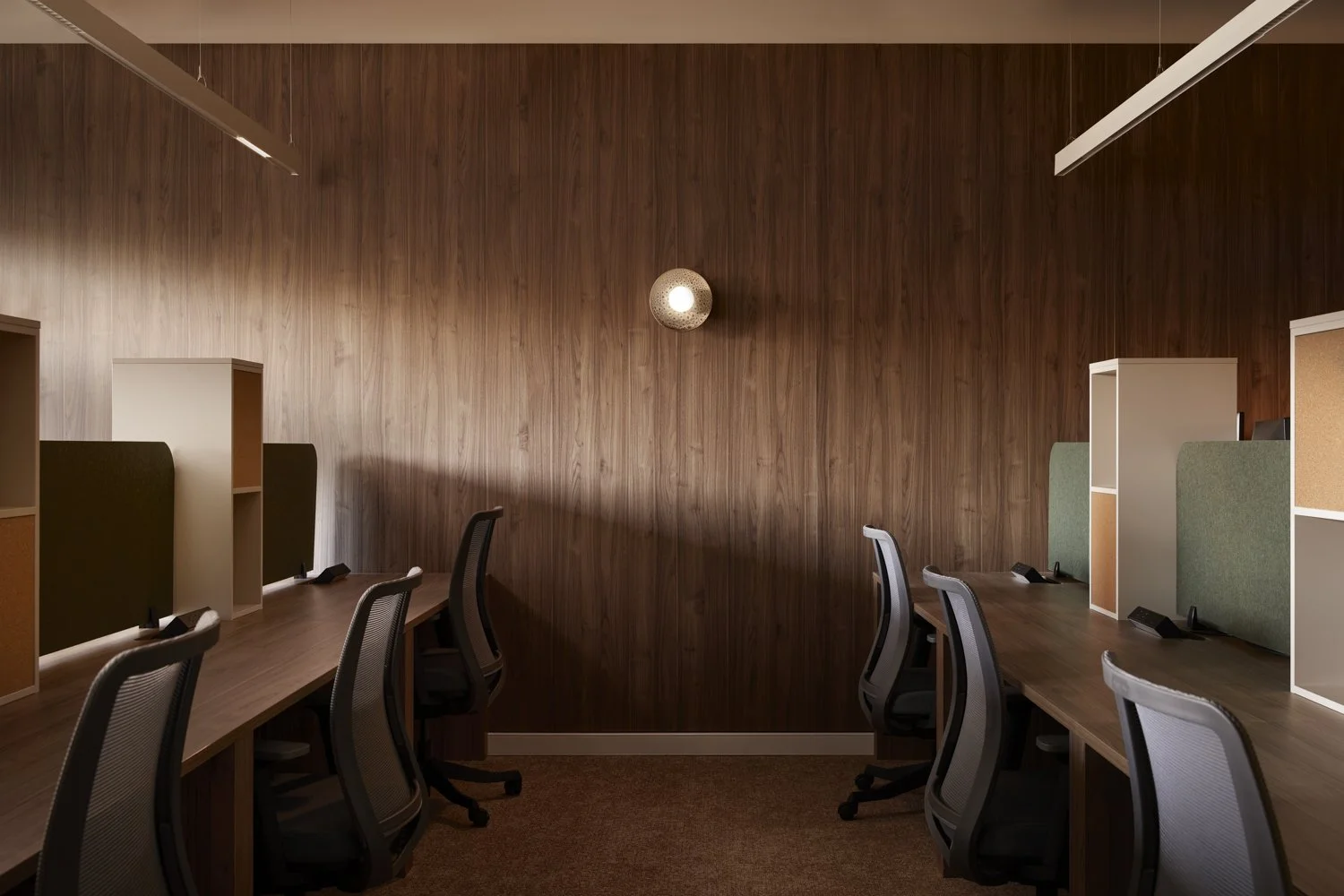
Forum Cowork by Foolscap, Photo by Martina Gemmola
If the office is going to ask people to commute, it needs to be worth it.
Looking at the best projects coming out of Australian studios right now, there’s a noticeable consistency. The best workplaces are designed around real work patterns. They protect focus. They make collaboration easy, and they feel comfortable to spend a full day in. You can see it in the shift toward more intentional layouts, better acoustic control, and spaces that support different modes of work without forcing everything into one open plan.
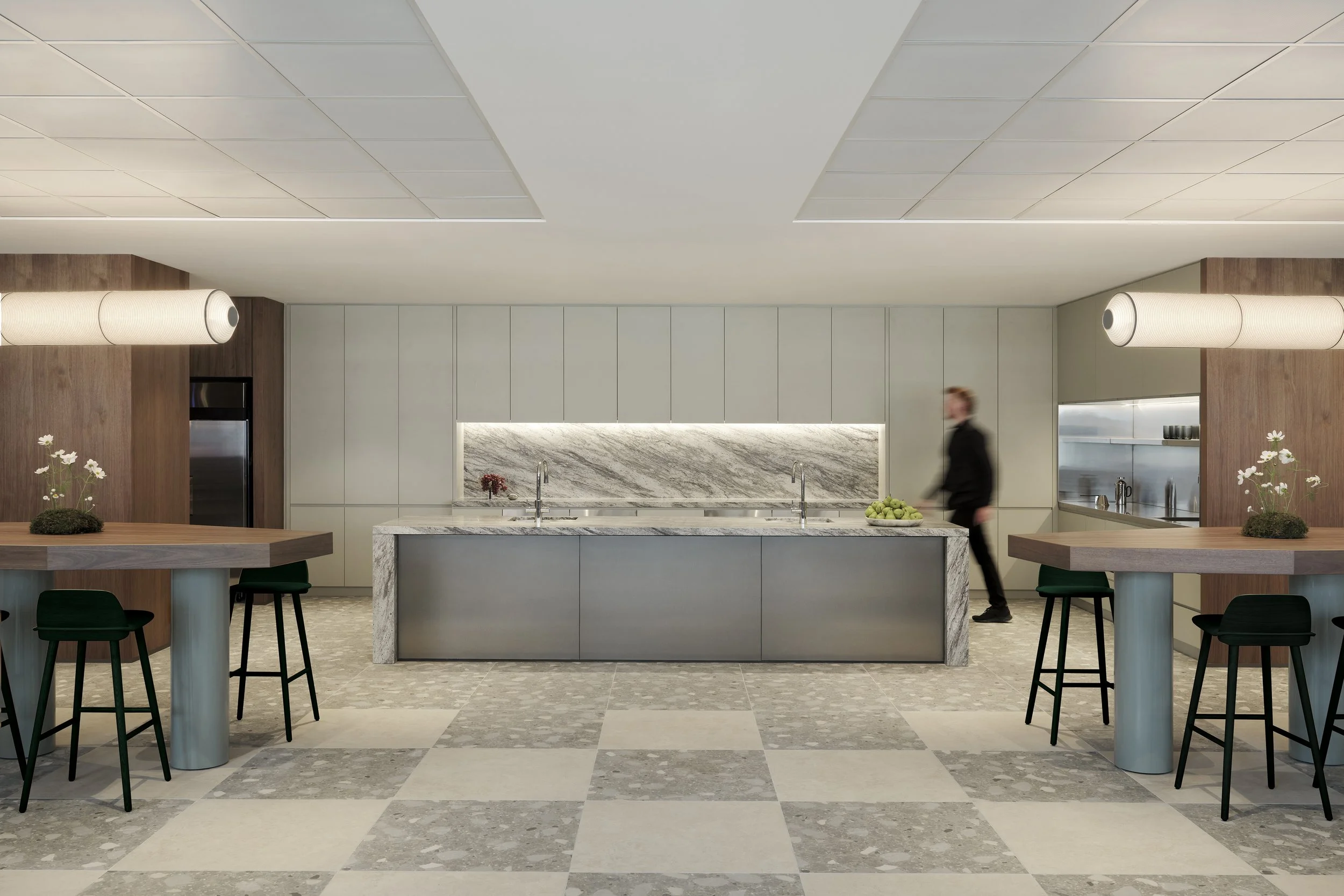
Addisons Law by Studio Tate
Photo by David Wheeler
Hybrid work has pushed this forward. People are more selective about when they come in, so the office has to add real value. It needs to support performance, culture and wellbeing in ways that employees actually feel. As BVN notes, “Good workplace design starts with understanding how people actually work, not how we assume they do.” That mindset is visible in projects such as those for Addisons Law and Forum, where planning responds directly to collaboration rhythms and hybrid occupancy patterns.
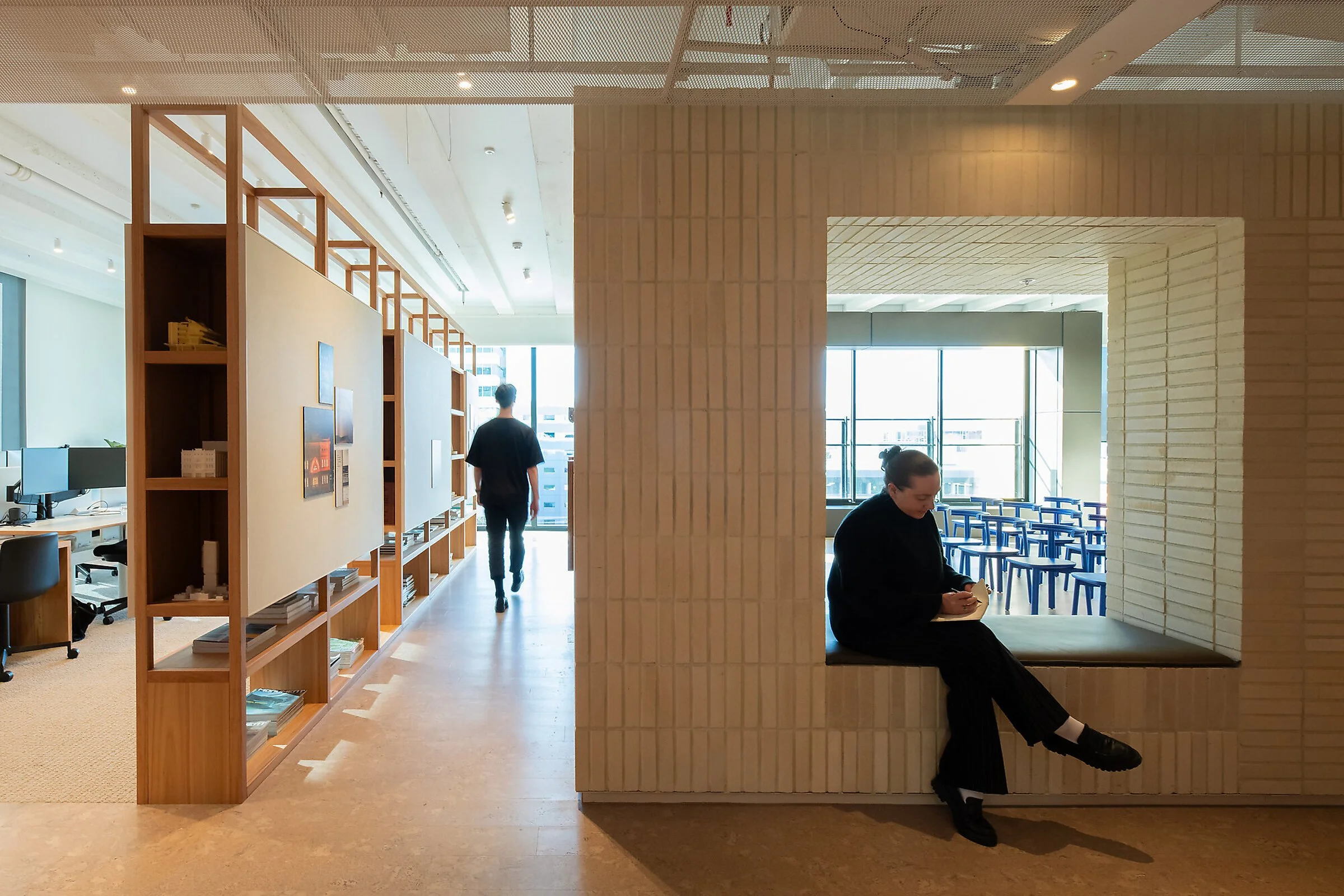
COX Architecture Adelaide Studio
Photo by Daniel Trimboli
Strategy Before Style
One of the strongest shifts we’re seeing is how early the workplace strategy is being defined. Instead of jumping straight into a new look and feel, organisations are mapping how their teams actually operate. They’re thinking about focus time, mentoring, collaboration, growth and long-term change before a layout is even drawn. Designers are prioritising shared zones, mentoring spaces and project rooms, supported by seamless technology integration that makes hybrid work feel effortless.
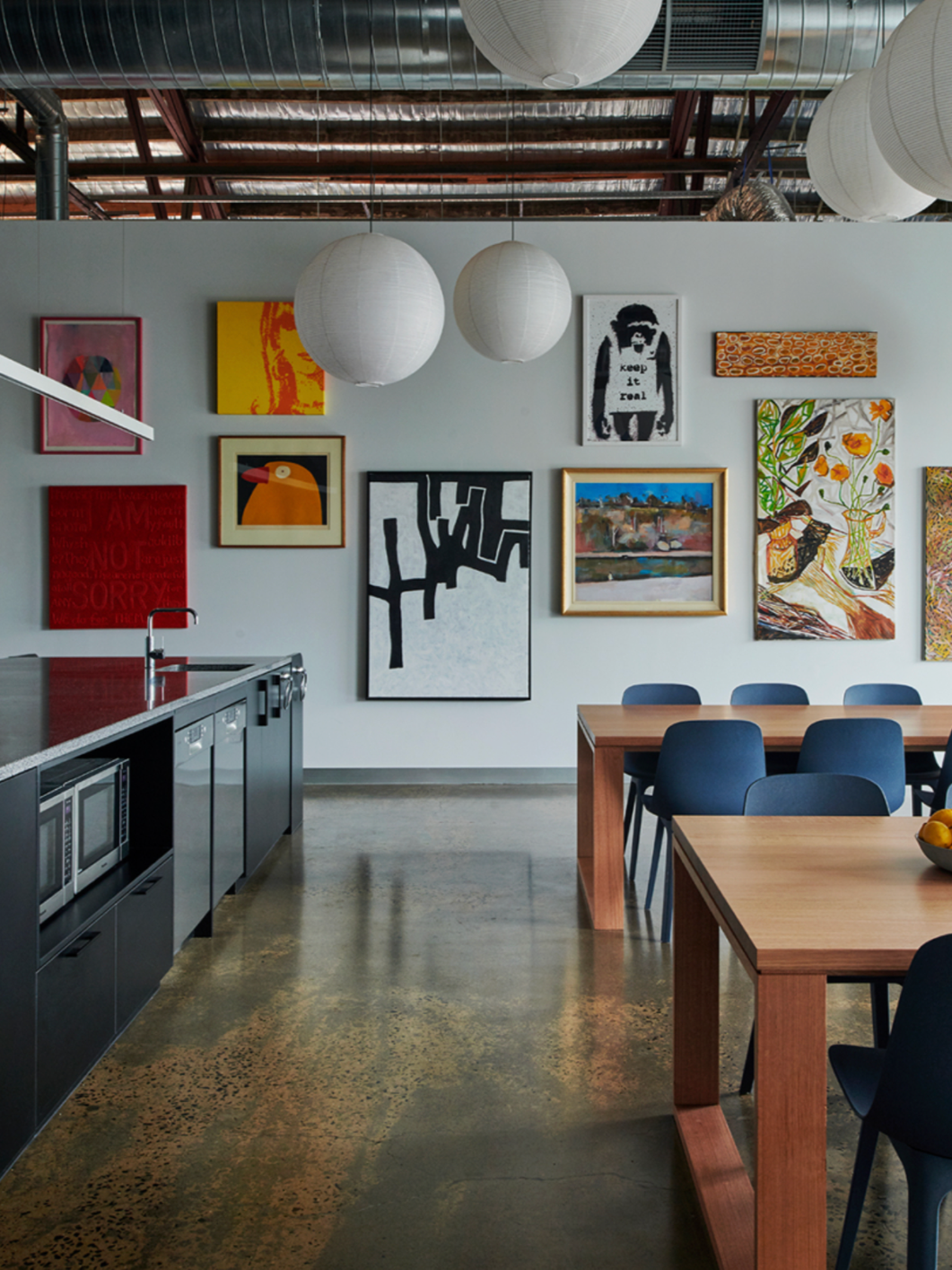
“Workplace is a tool for business performance. When strategy drives layout, design becomes measurable.”
— Studio Tate
OC House by Studio Tate, Photo by Thomas Brooke
Circular Materials and Biophilic Design 2.0
Sustainability continues to shape workplace decisions, but the focus is sharpening.
FSC certified timbers, cork, recycled steel, aluminium and low VOC finishes are now standard expectations. Adaptive reuse continues to grow as a way to reduce embodied carbon, while long-life materials limit the need for future refits. Foolscap Studio puts it simply: “The most sustainable building is the one that already exists.”

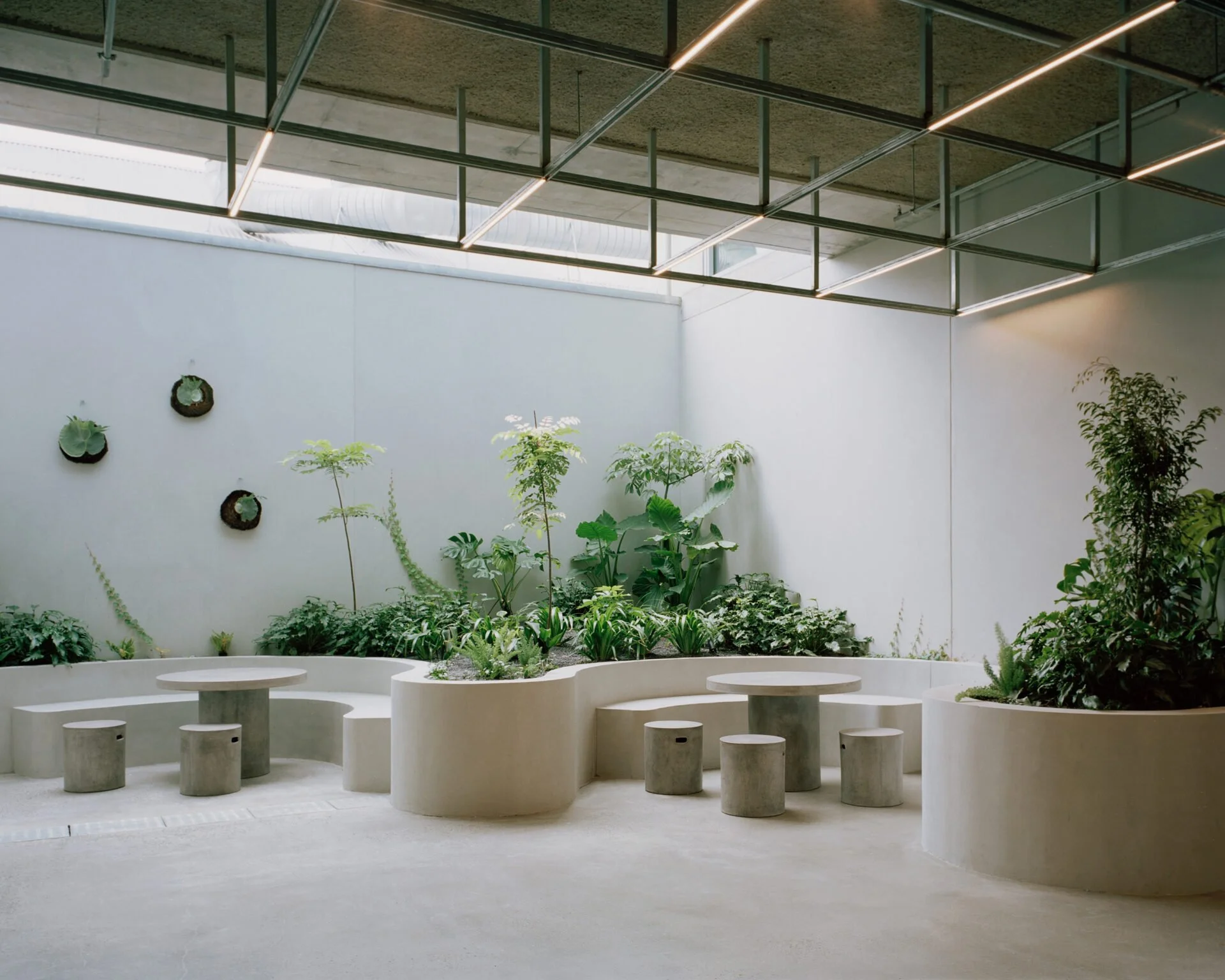
116 Rokeby Street by Carr, Photo by Rory Gardiner
Biophilic design is also deepening in 2026, moving beyond visual greenery and into genuine outdoor connection. Micro gardens, planted terraces, balconies and intentional daylight pathways are being designed as functional extensions of the workplace. Improved fresh air circulation and operable elements further strengthen this connection, making the office feel calmer and more breathable.
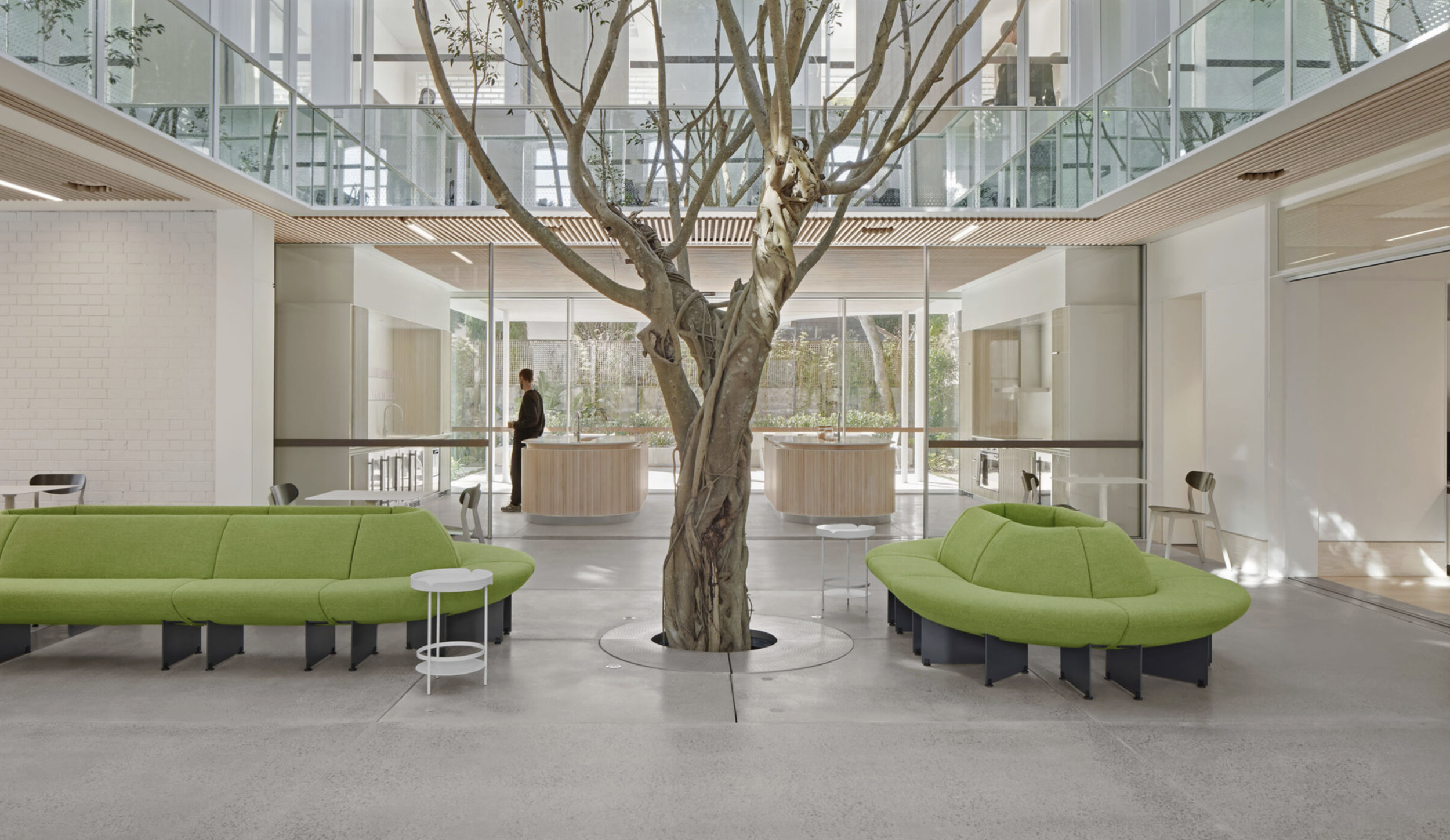
Campbell House Private Office by TZG, Photo by Cieran Murphy
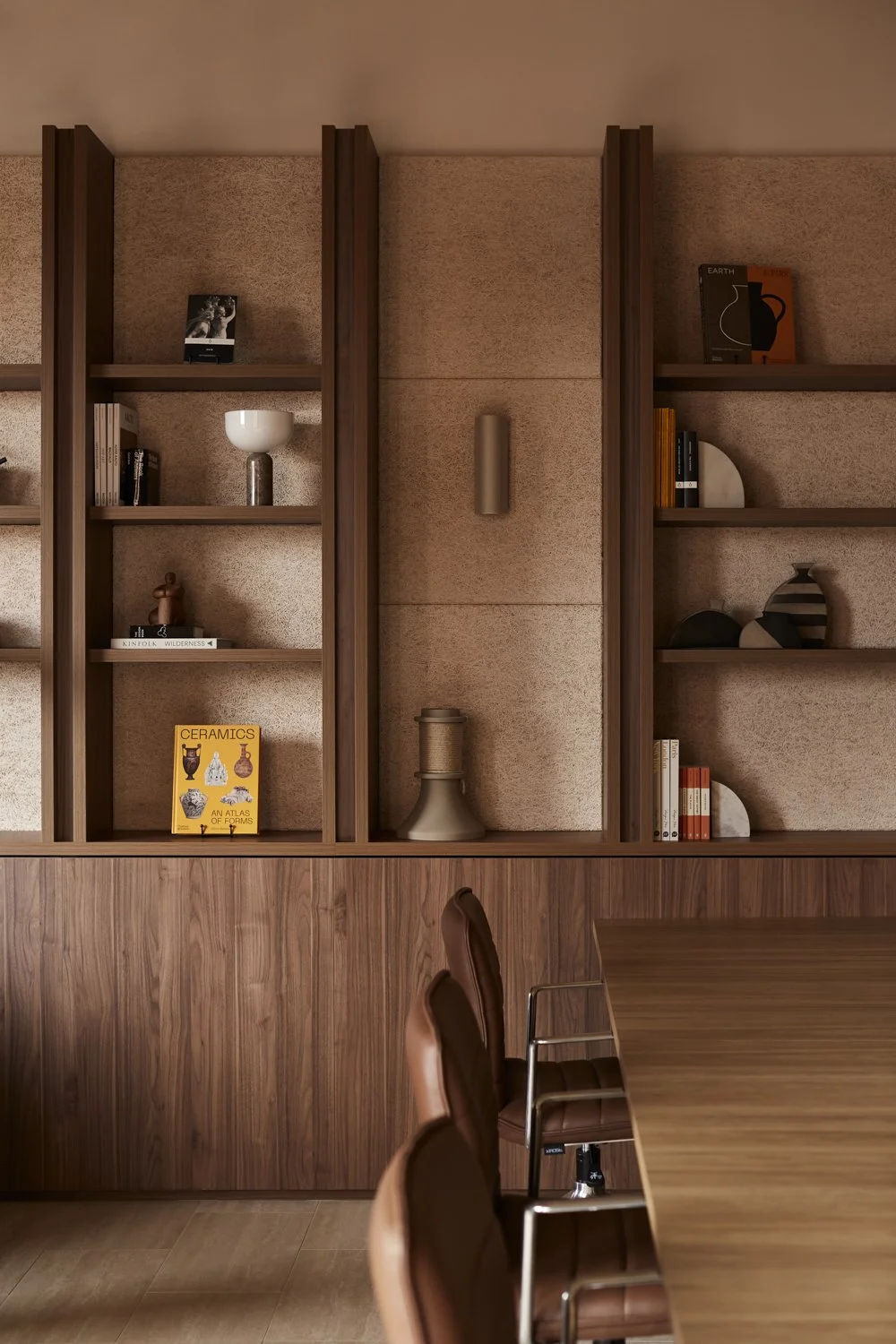
Research consistently shows that access to natural light, greenery and airflow reduces stress, sharpens concentration and supports creative thinking. Designers are responding with real planting, tactile natural materials and more organic spatial planning that softens rigid layouts. Projects such as 116 Rokeby, Campbell House and Rochester Street Office demonstrate how texture and natural materials can create calmer, more grounded environments that actively reduce stress and improve focus.
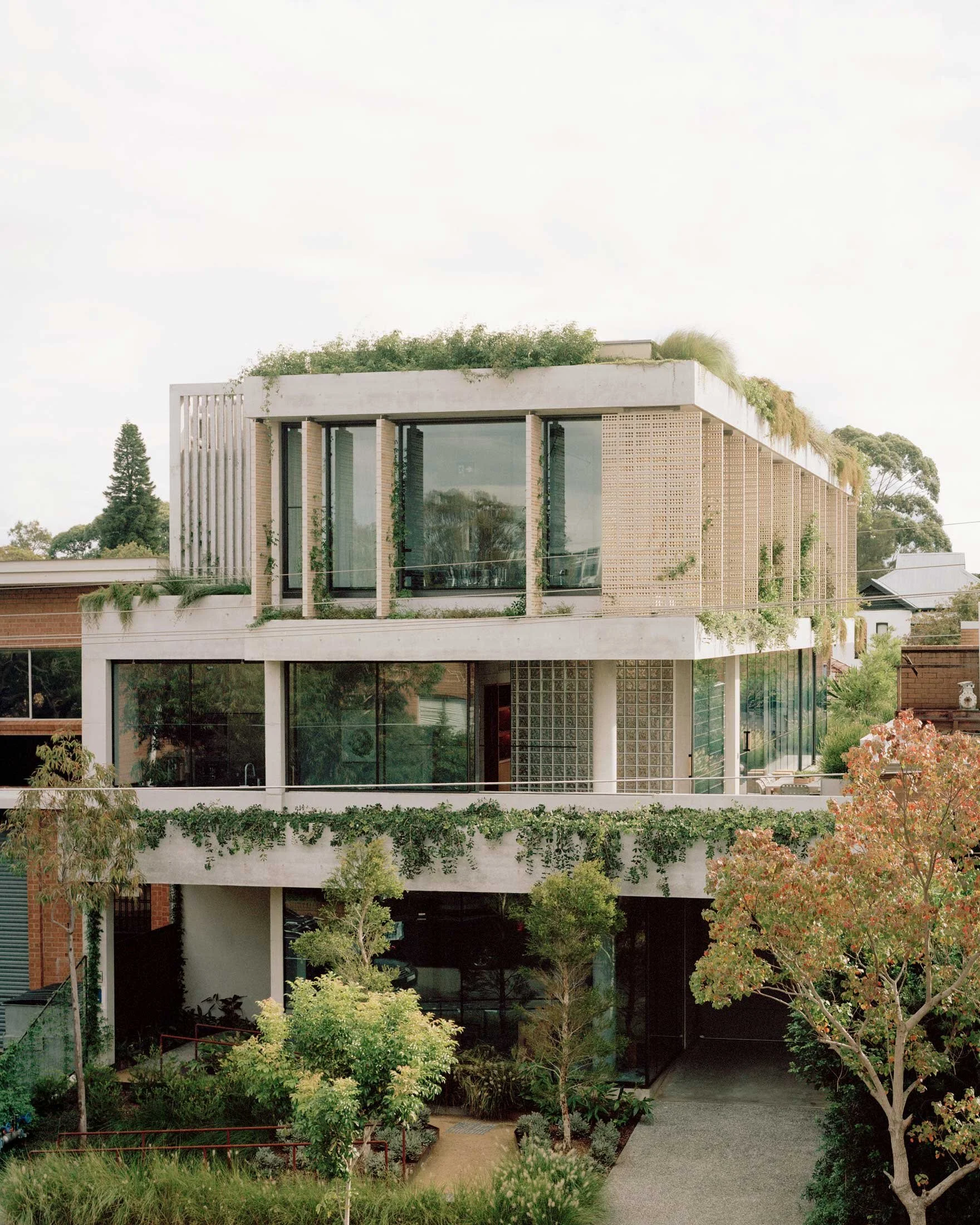
Rochester Street Office
Architecture: Allied Office
Interiors: Akin Atelier
Landscape: Dangar Barin Smith
Photography: Rory Gardiner
Better Amenities and the Rise of Third Spaces
Workplace expectations have evolved, and what once sat in the “nice to have” category is increasingly being treated as essential.
Lockers, hydration stations, inclusive change rooms and cafe-quality kitchens are being embedded into the design brief from day one. These features improve the everyday experience of the office, supporting comfort, dignity and social connection. When they’re thoughtfully integrated, they help the workplace feel like a destination rather than an obligation.
Alongside core amenities, third spaces are becoming more visible within contemporary offices. Compact gyms, recovery corners and refined end-of-trip zones encourage movement, decompression and reset moments throughout the day. Employers are increasingly recognising that investment in physical and mental wellbeing directly influences engagement, retention and long-term performance.
Purpose-built wellness rooms are also becoming standard in forward-thinking workplaces. Rest rooms, faith spaces, parent rooms and first aid suites are designed with warm lighting, tactile finishes and discreet storage. These environments move beyond compliance, offering genuine care and inclusivity.
End-of-trip facilities now sit at the intersection of practicality and sustainability. Secure bike storage, EV charging points, considered parking layouts and quality shower amenities support active commuting and reduce environmental impact.
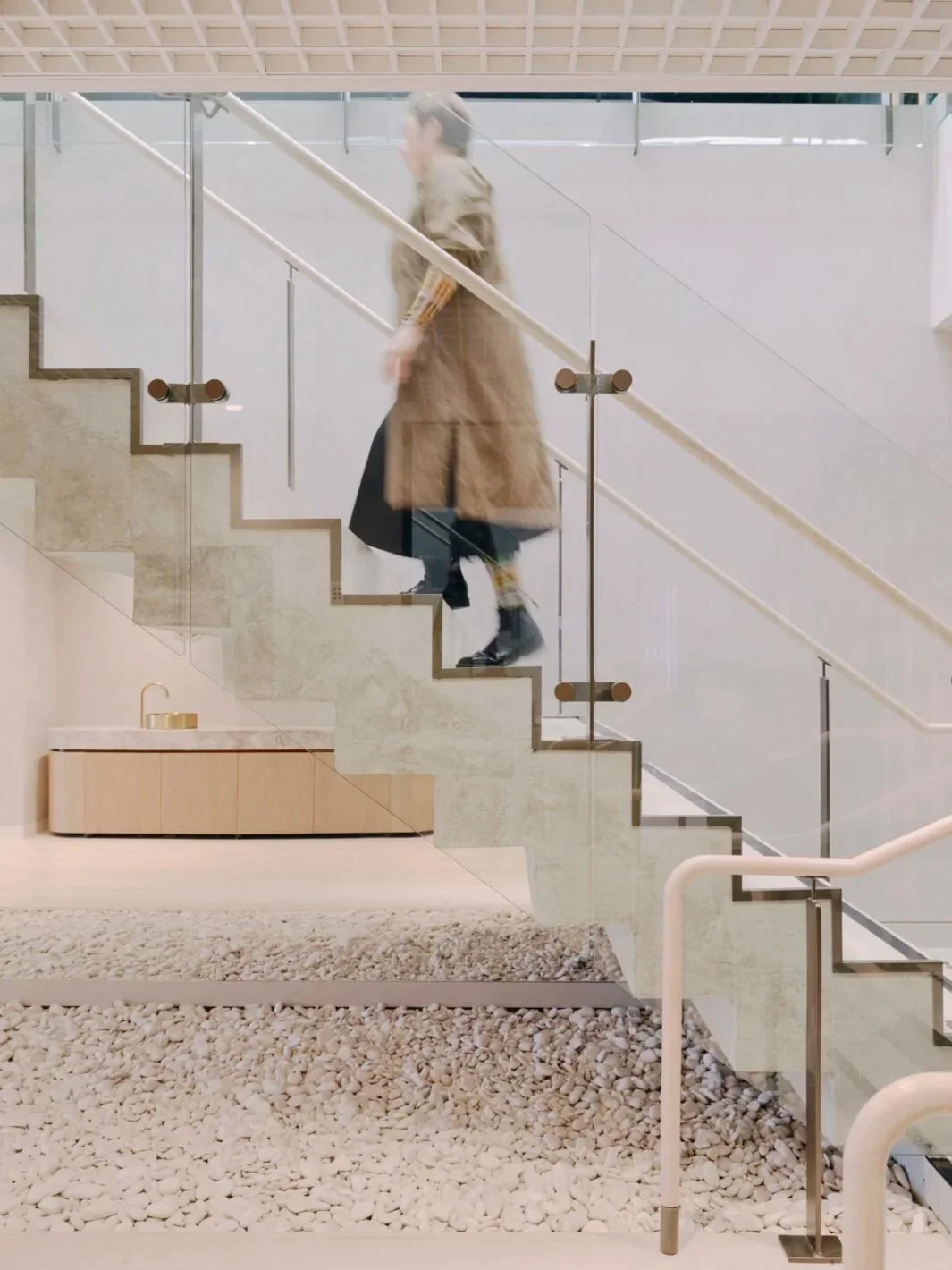
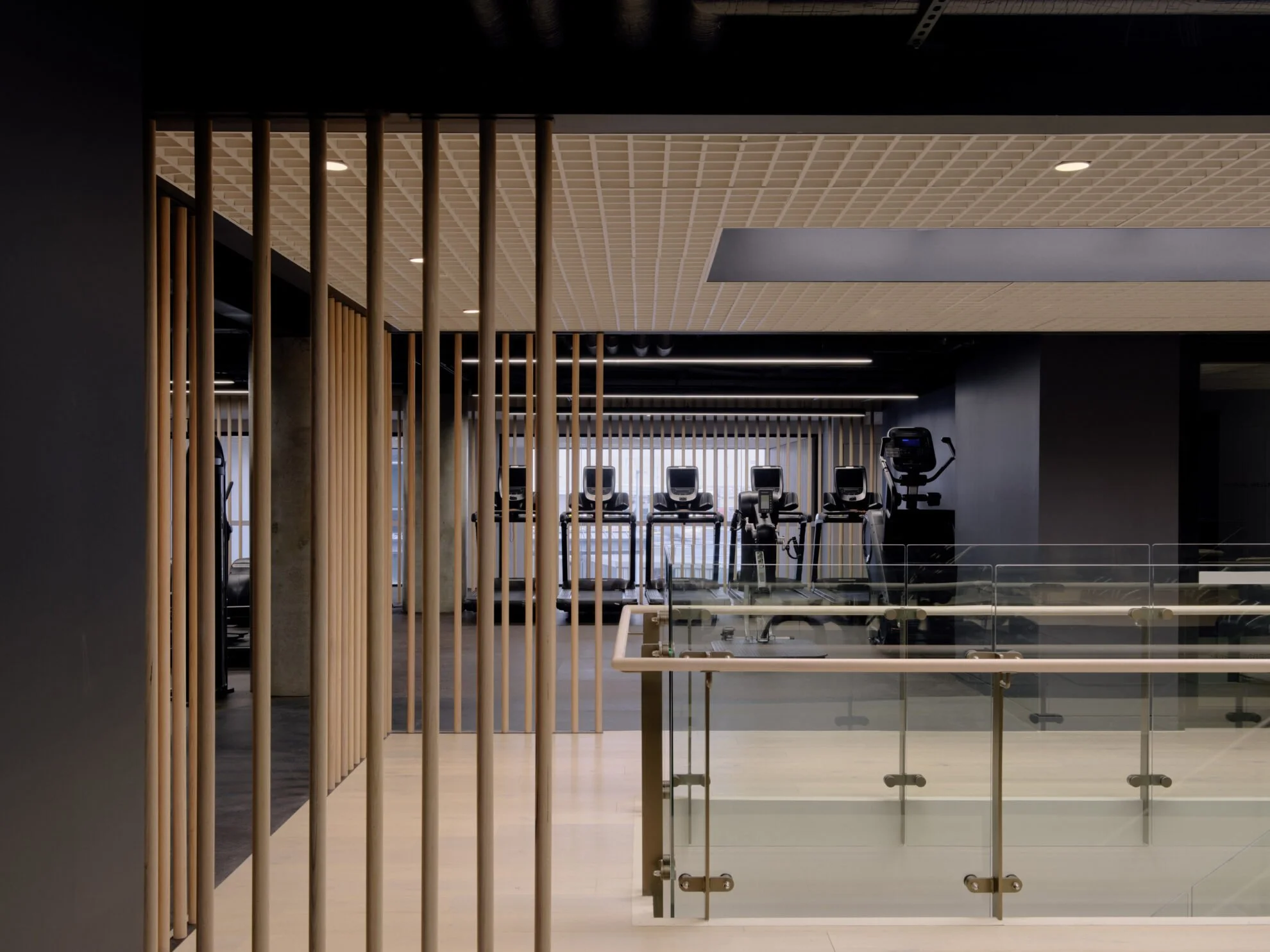
Aerofoil Workplace by FK , Photo by Tom Ross
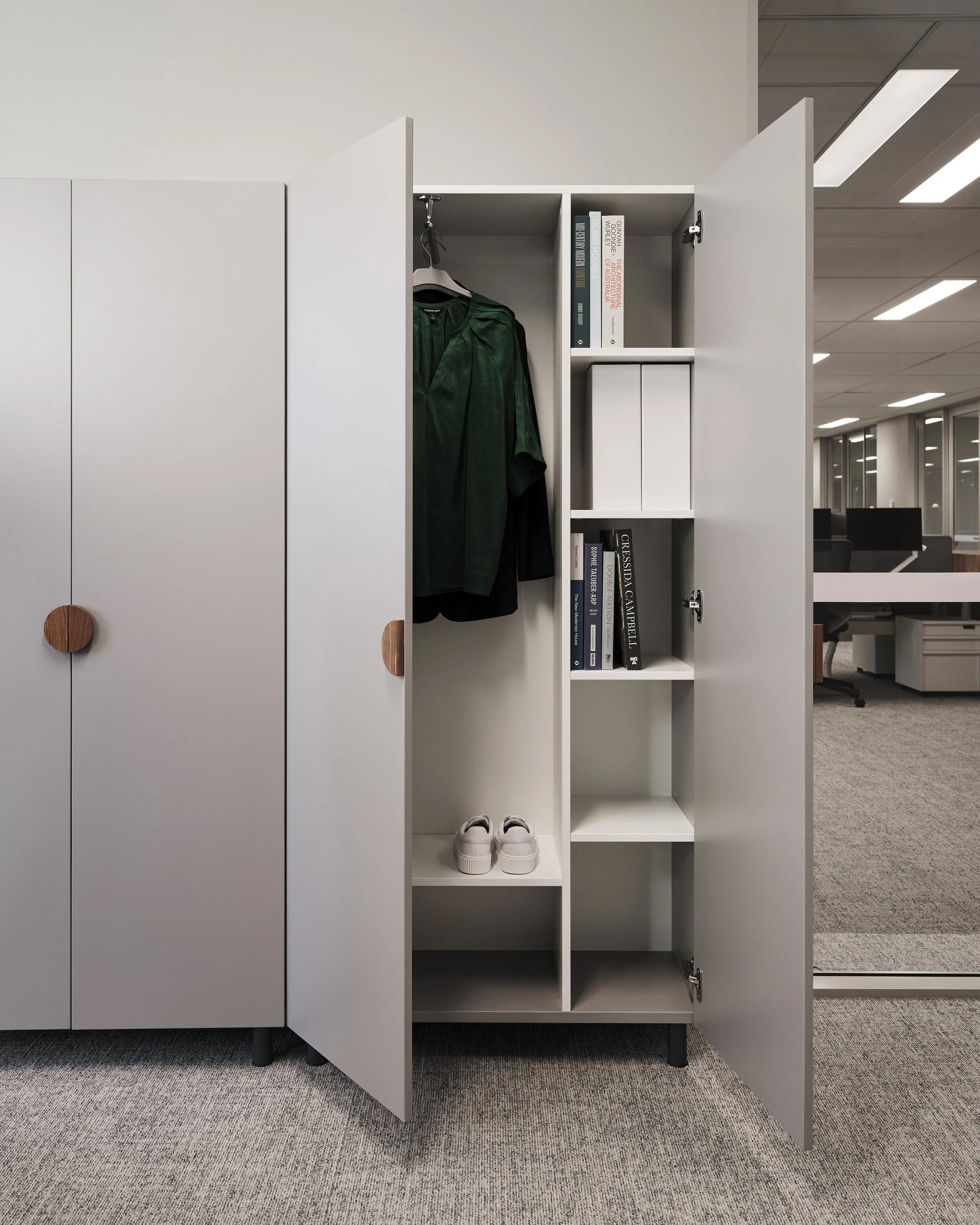
Addisons Law by Studio Tate
Photo by David Wheeler
The Future Office Is Human-Centric
Workplace design in 2026 is being shaped by a simple truth: people do their best work when they feel supported and cared. The strongest workplaces are carefully designed ecosystems that support focus, collaboration and wellbeing in equal measure. Sustainability, inclusivity and long-term adaptability are embedded into every decision, from spatial planning to material selection.
Forum Cowork by Foolscap
Photo by Martina Gemmola
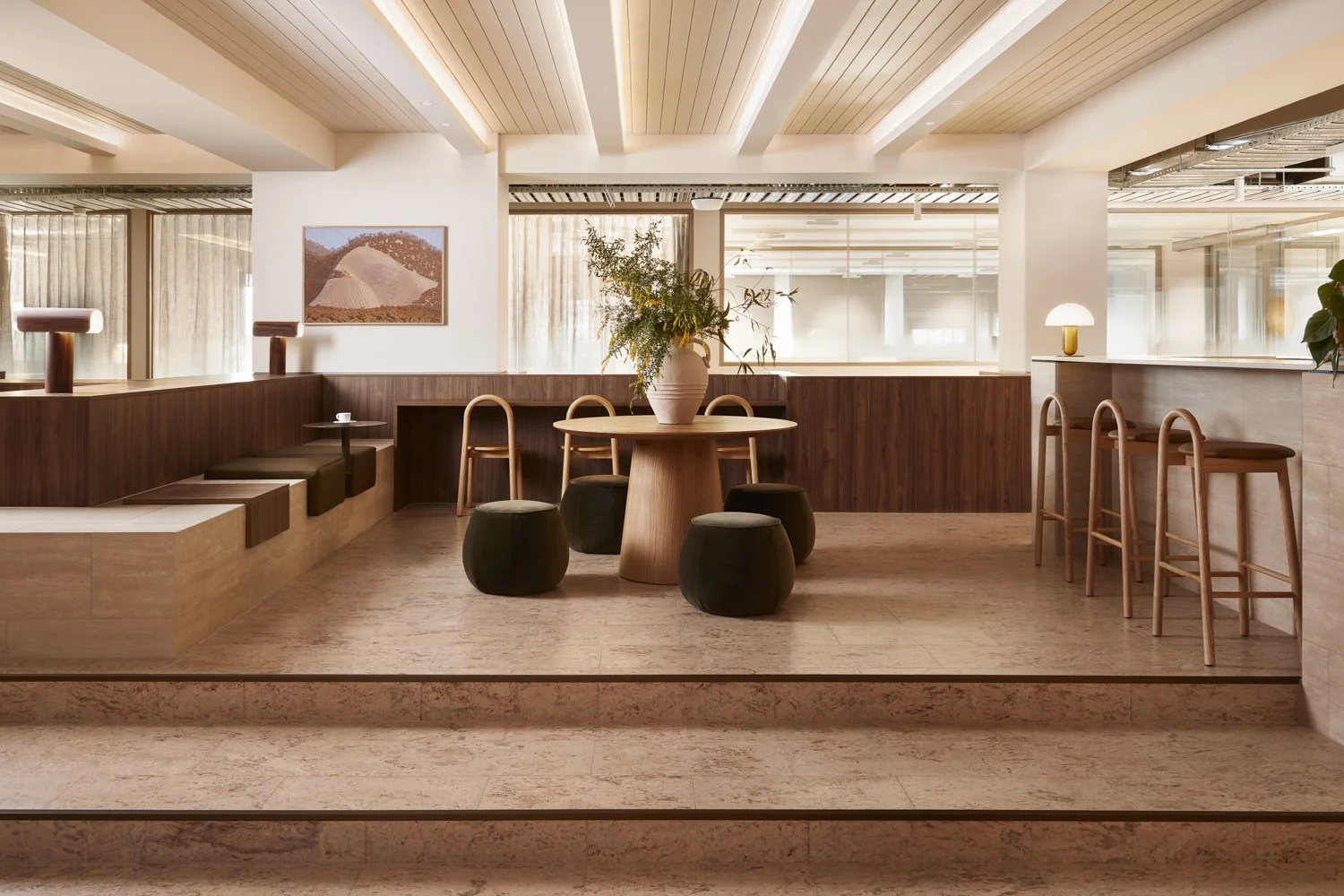
In Australia and beyond, workplace design is becoming more strategic, more sustainable and more human. The result is an office that feels intuitive to use, supports performance, and genuinely helps people want to come back.
