
Yirranma Place by SJB: Designing with Sensitivity, Respect and Long Term Vision
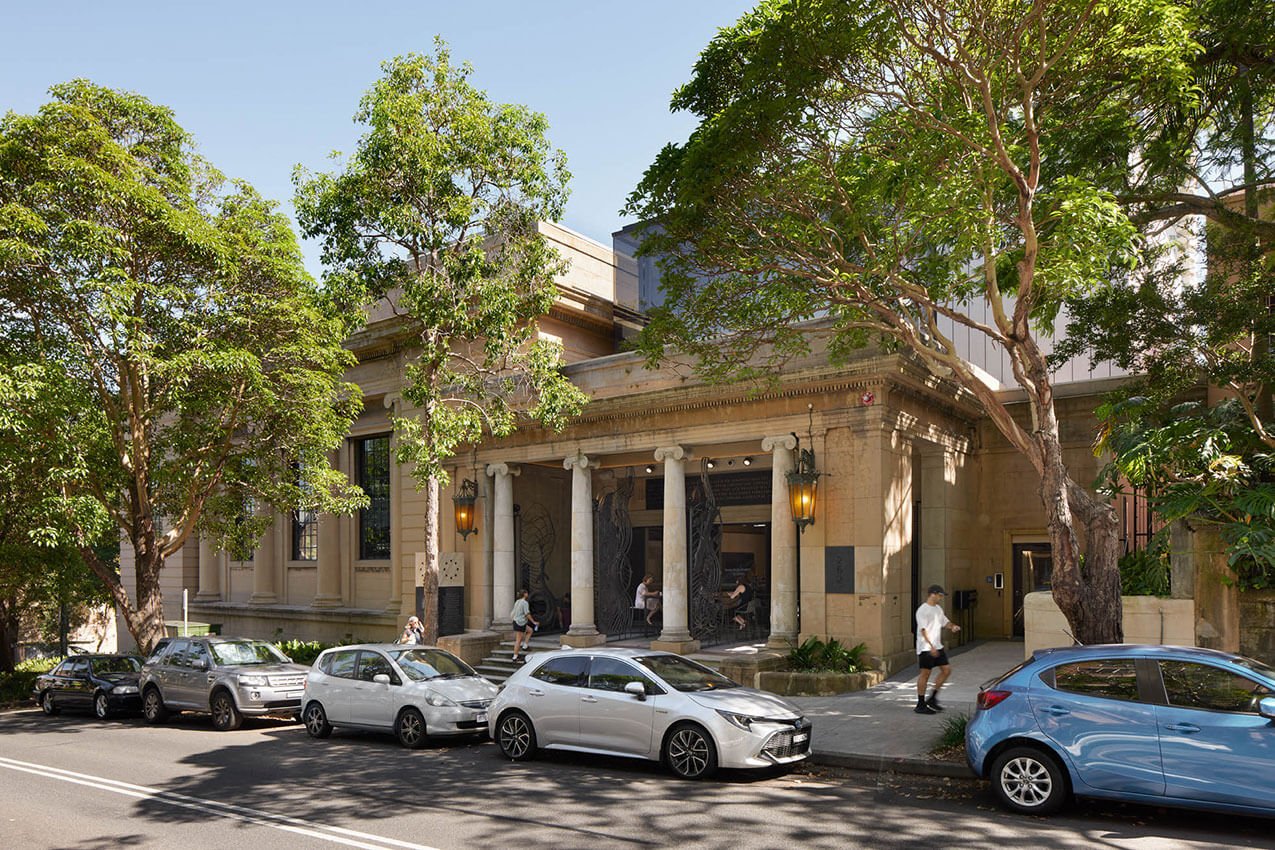
In Darlinghurst, a 1927 Beaux Arts landmark has been carefully reworked into a contemporary workplace grounded in history and Country. Yirranma Place, designed by SJB for Cornerstone Property, is shaped by two guiding principles: sensitivity and respect.
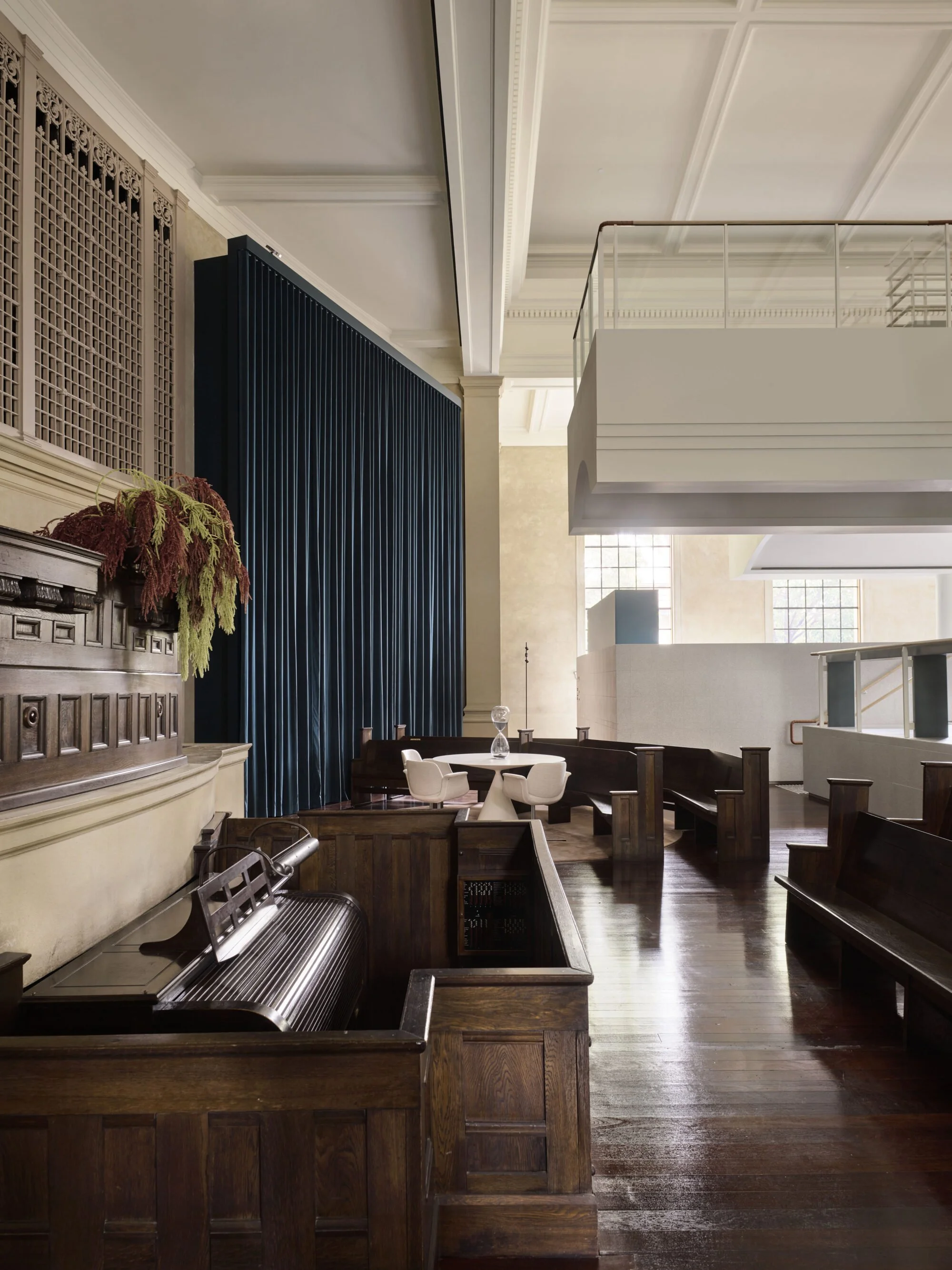
Originally built as the First Church of Christ Scientist and designed by architect Samuel George Thorp, the building later operated as a private residence. It is now home to the Paul Ramsay Foundation, with spaces that support commercial use, cultural programming and community engagement. The transformation maintains the dignity and scale of the original structure while introducing measured interventions that enable contemporary patterns of work and gathering.
“Sensitivity and respect guided every decision, from heritage restoration to new interventions.”
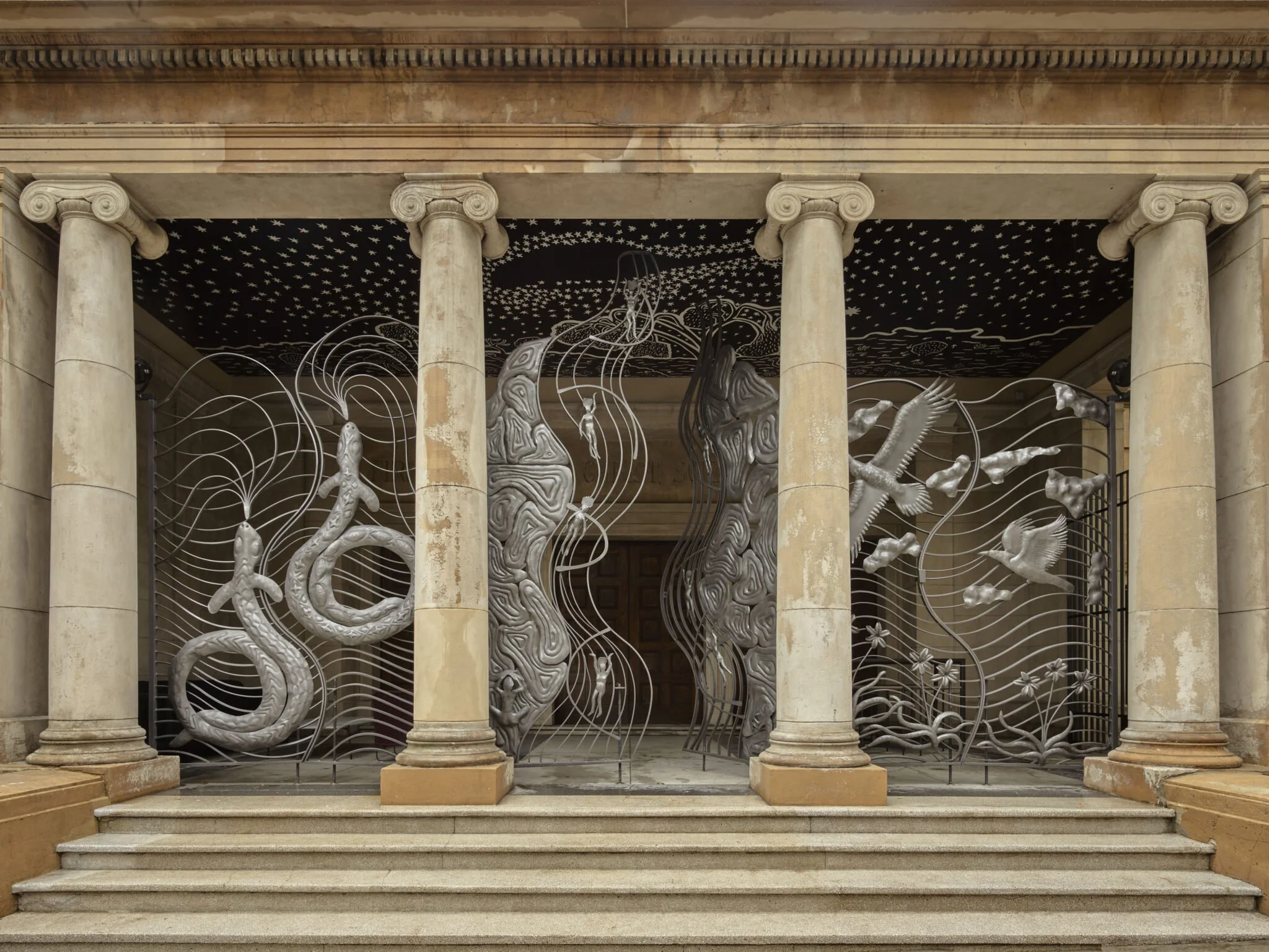
The name Yirranma Place means “a place where many create.” The naming followed engagement with local Gadigal Elders, Aboriginal community groups and language experts. It acknowledges Aboriginal histories and contributes to the revitalisation of the Gadigal language. Cultural recognition is embedded at the threshold through a public artwork by Barkandji Elder, artist and activist Uncle Badger Bates, positioned at the iron gate entry to the south-eastern portico. The commission establishes a clear sense of place and reinforces the building’s civic presence.
“The naming is aimed at creating a sense of place, history and respect for Aboriginal and Torres Strait Islander peoples.”
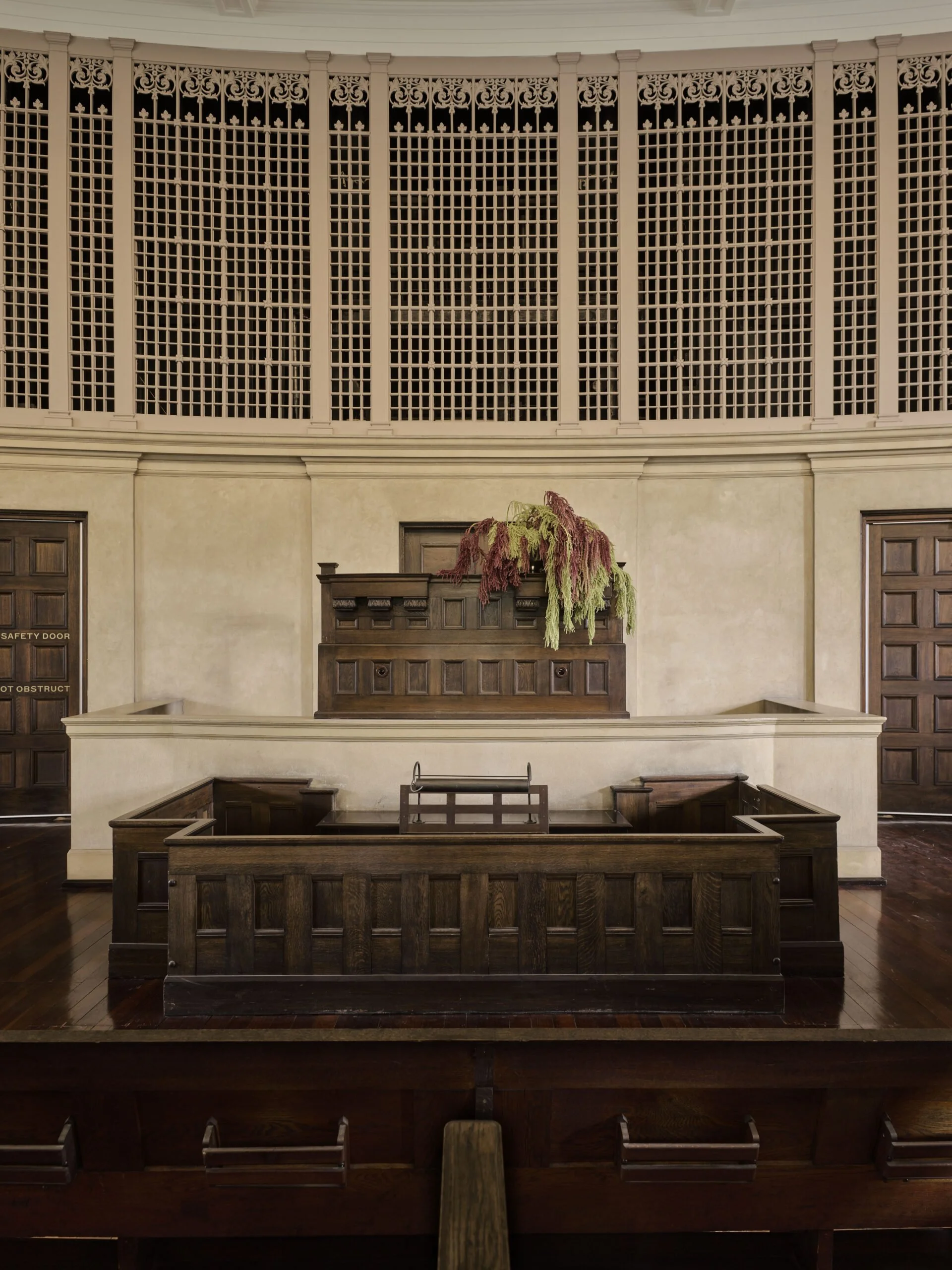
The architectural approach works within the existing shell, allowing the heritage fabric to remain legible. Light touch renovations preserve the volume and formality of the original interiors while creating a sequence of functional spaces. Additions include a two-storey extension to the eastern wing, a rooftop terrace and a reconfigured attic level. These elements are expressed with clarity and restraint, sitting in dialogue with the historic structure.

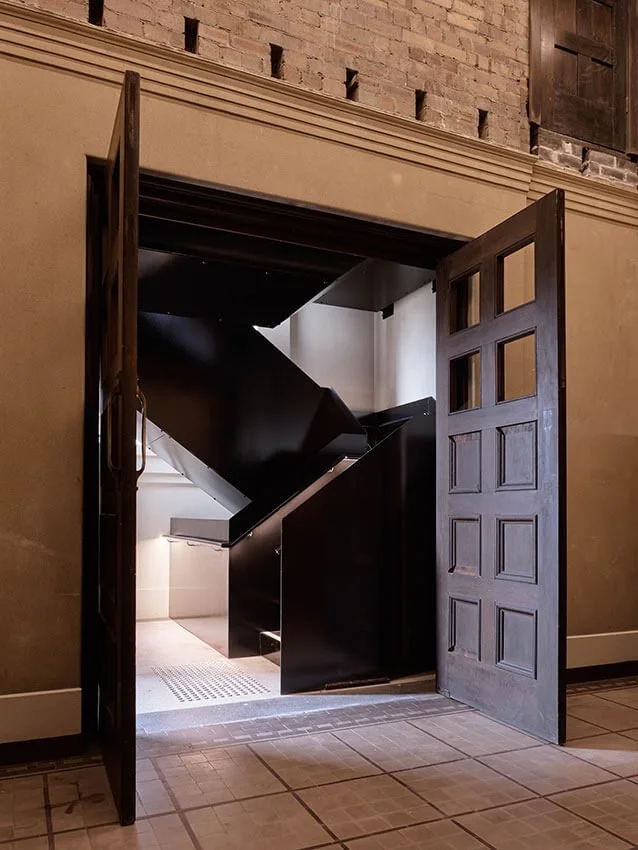
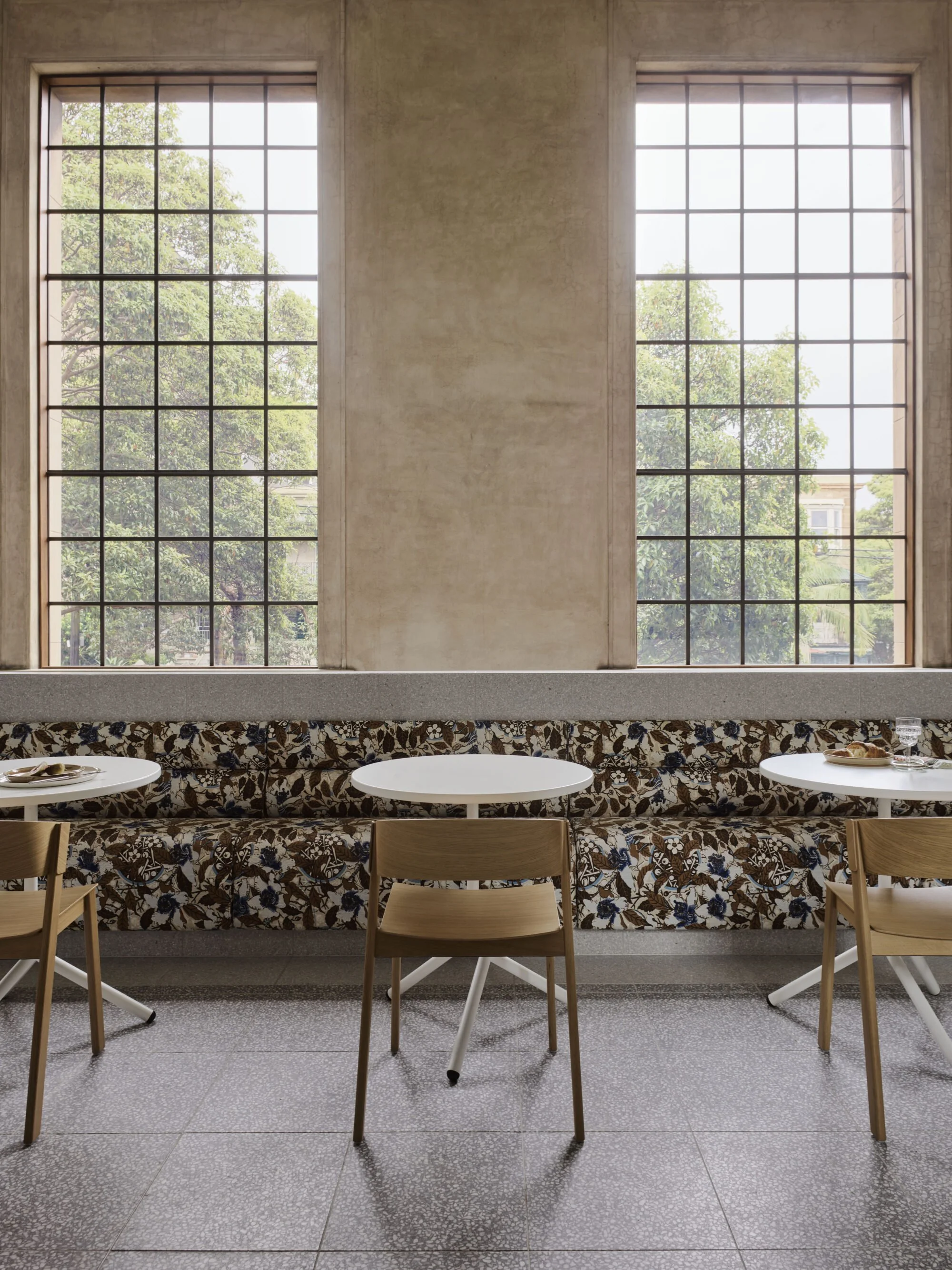
The influence of Carlo Scarpa informs the detailing. Contemporary solid finishes and carefully resolved junctions connect old and new with precision. Stone, timber and metal establish material continuity and durability, supporting the building’s long-term performance.
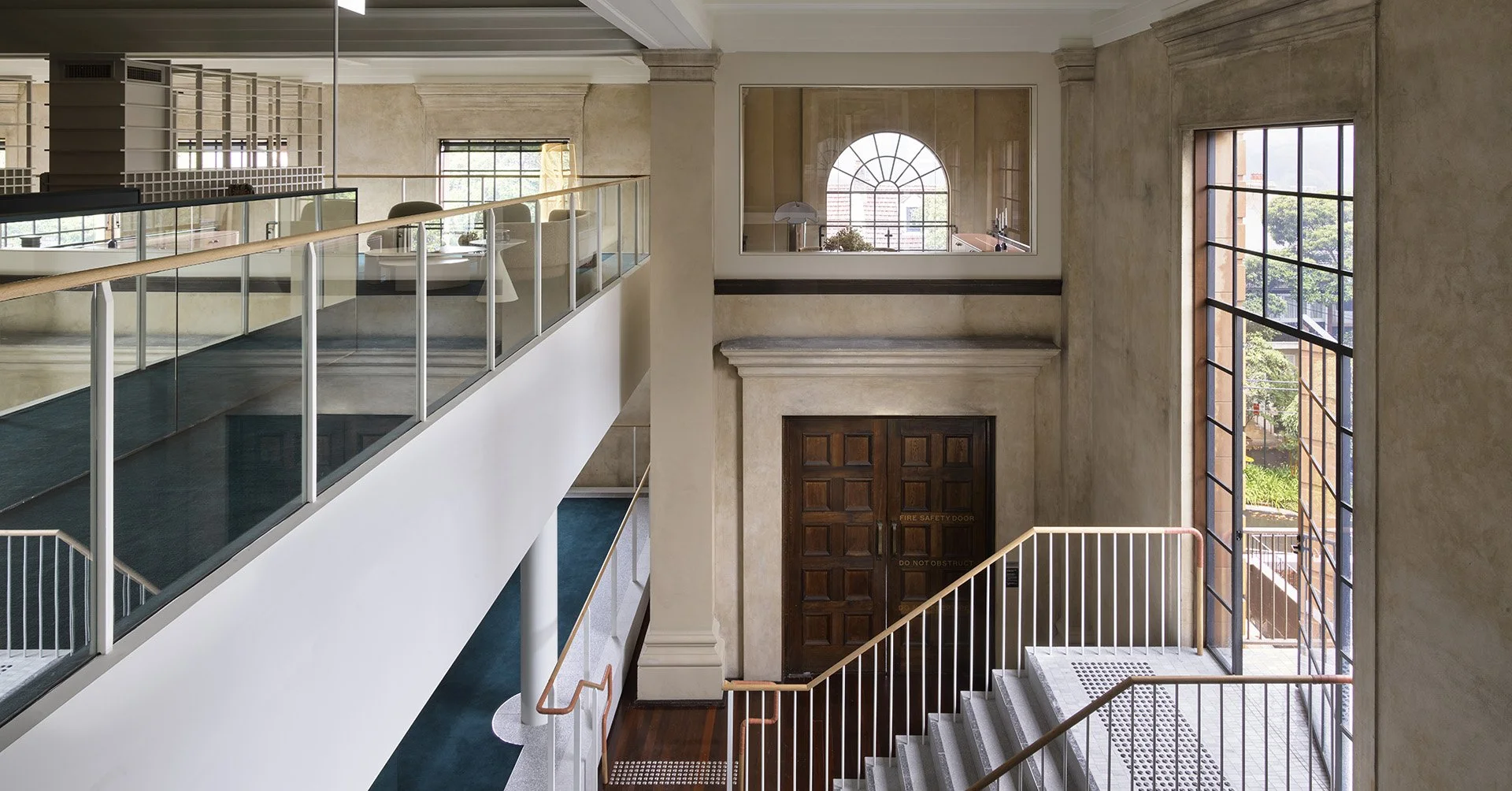
“New additions are sculptural, robust and respectful of the heritage fabric.”
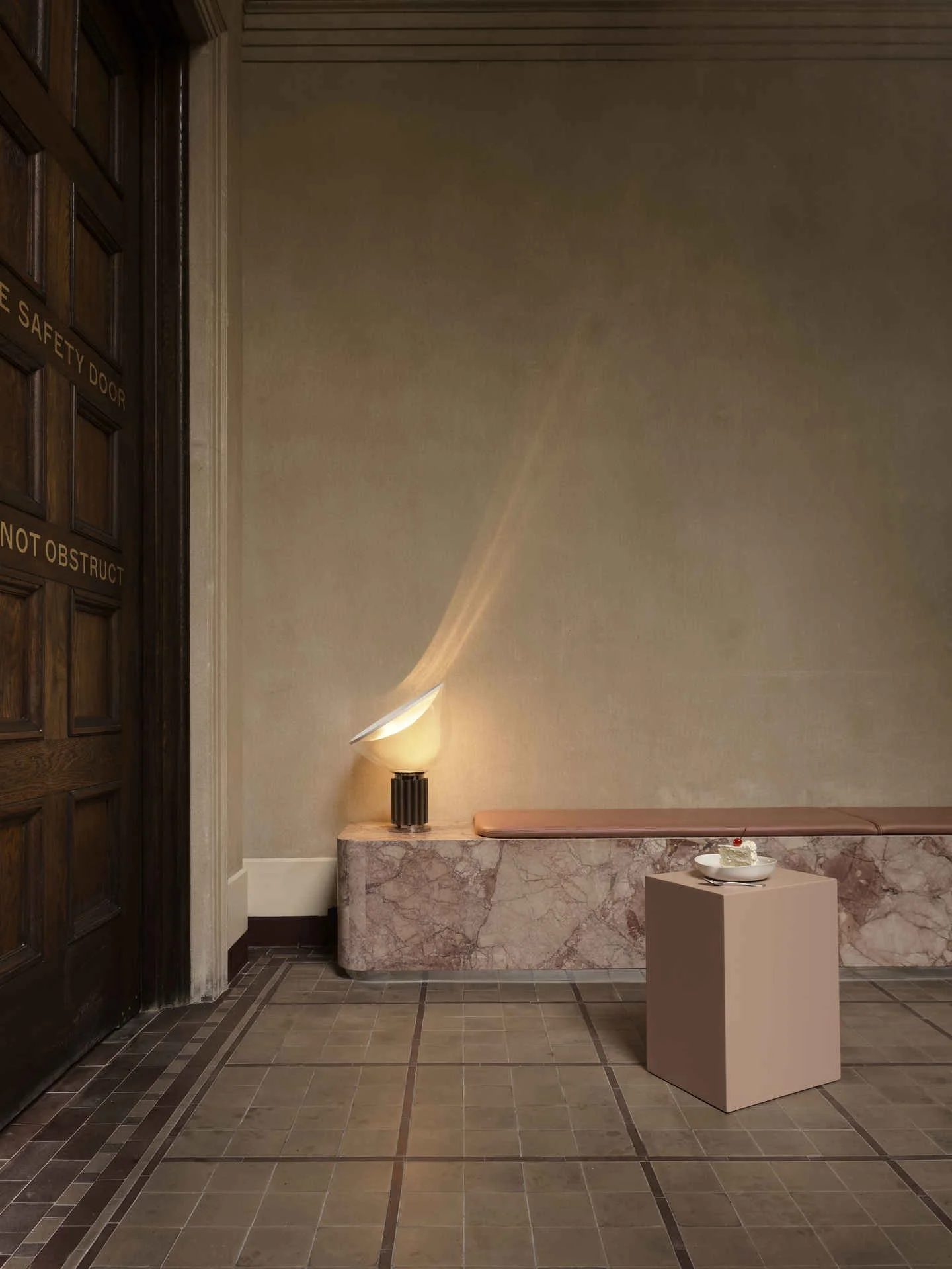
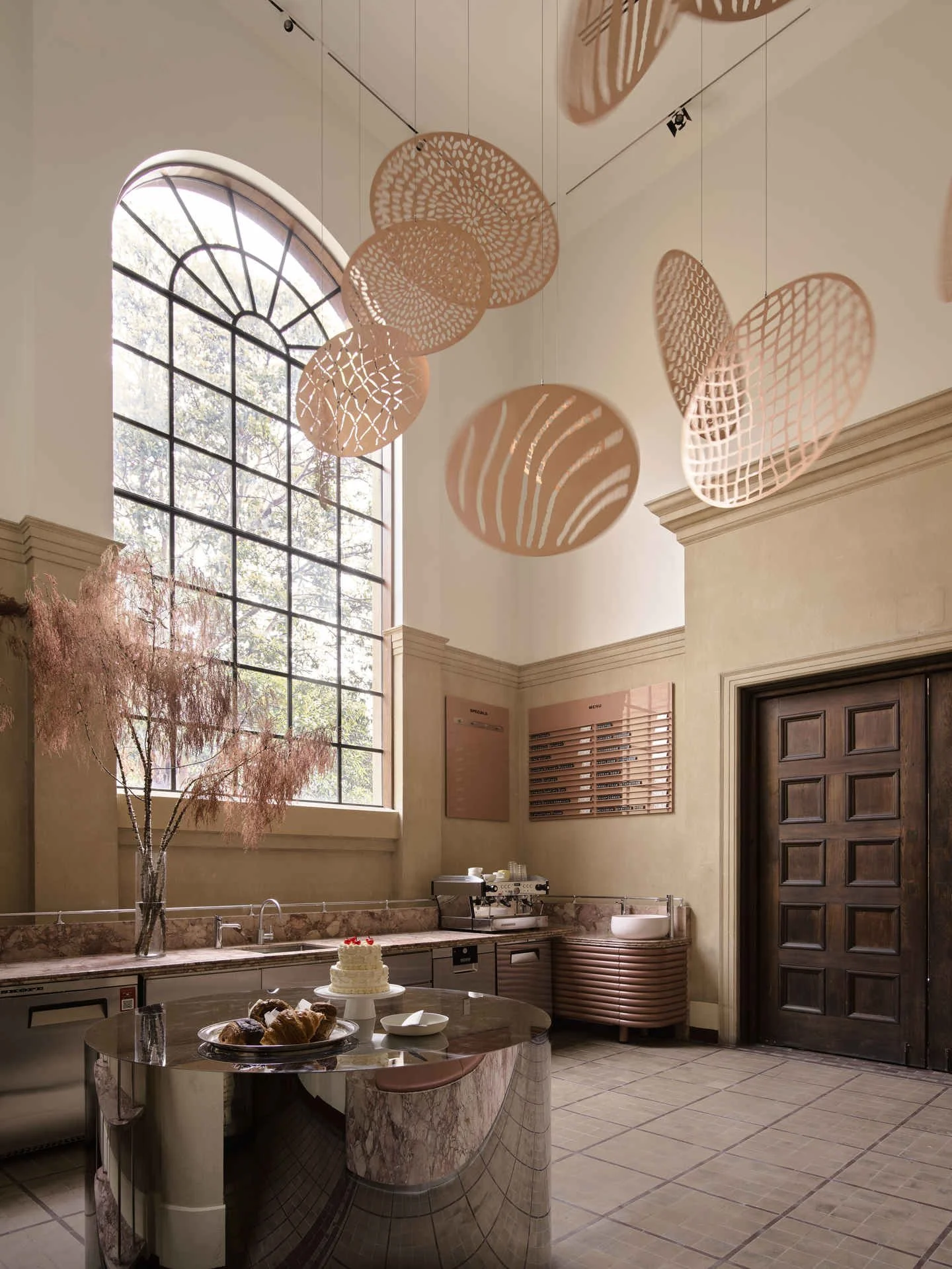
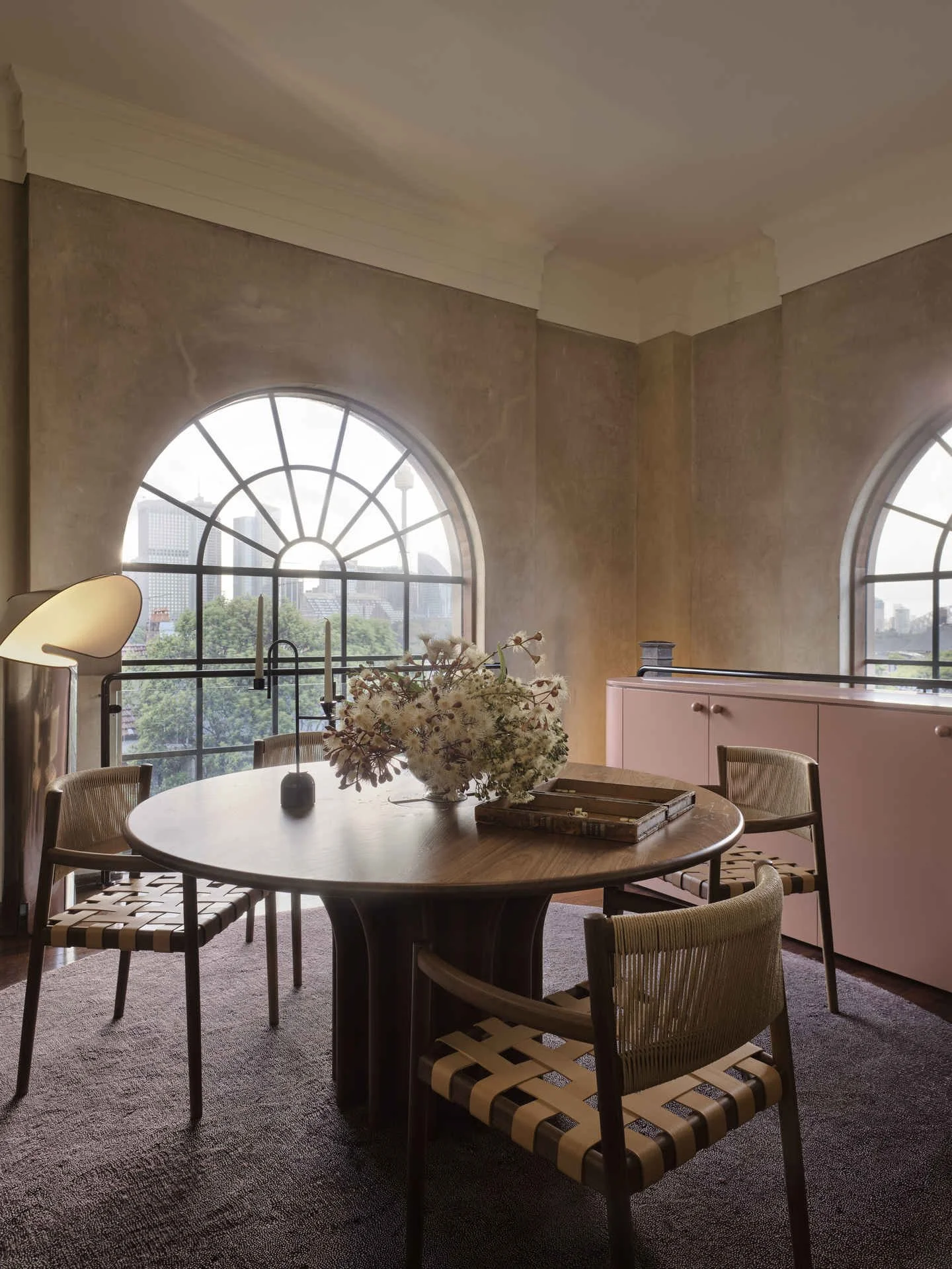
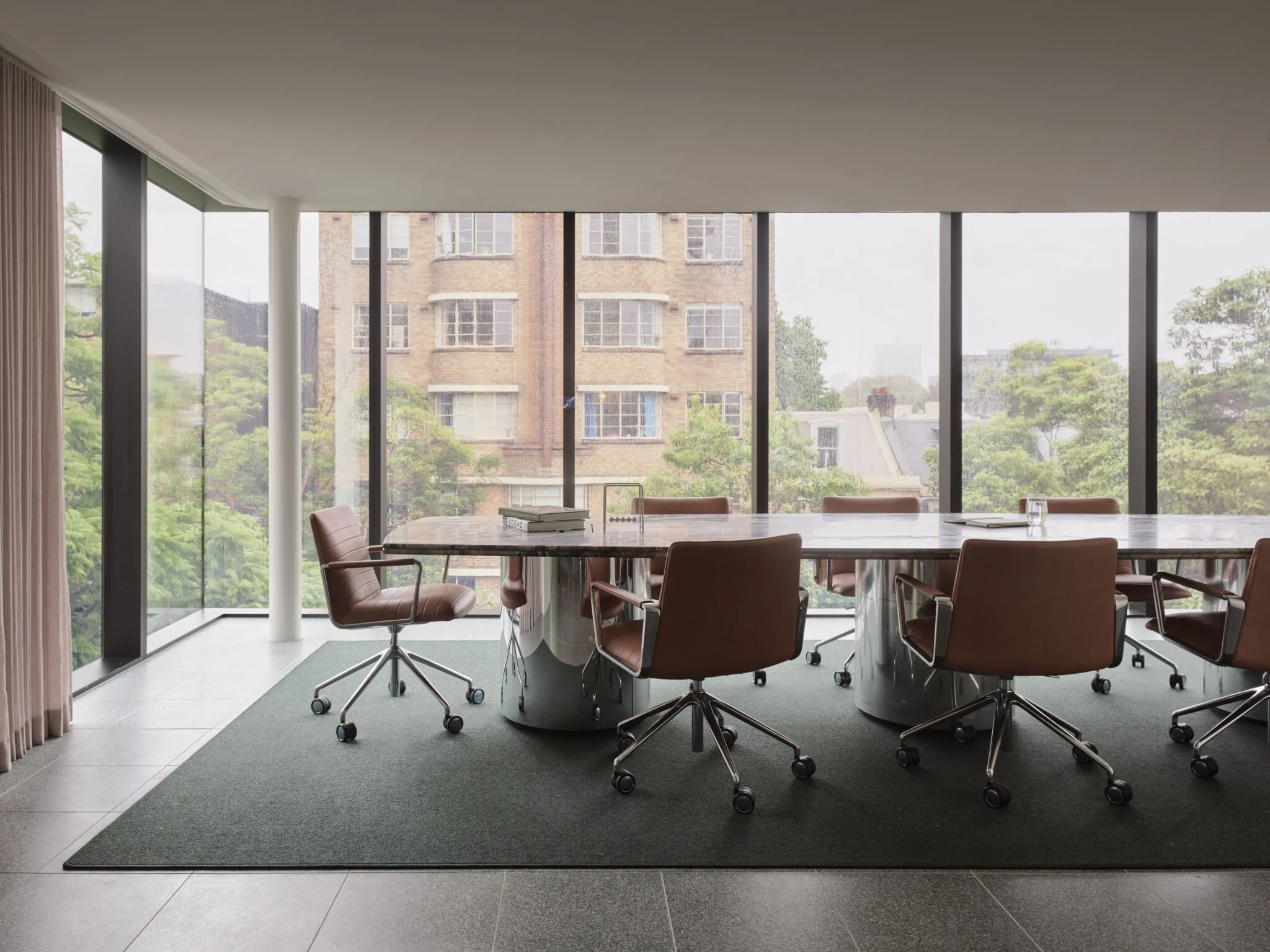
Yirranma Place accommodates a broad range of functions, including gallery exhibitions, events, meeting rooms and incubator hubs. The planning prioritises accessibility and diversity, ensuring that different users can navigate and occupy the building with ease. Open sightlines draw natural light deep into the floor plates, supporting visual connection across levels and enhancing the everyday experience of work.
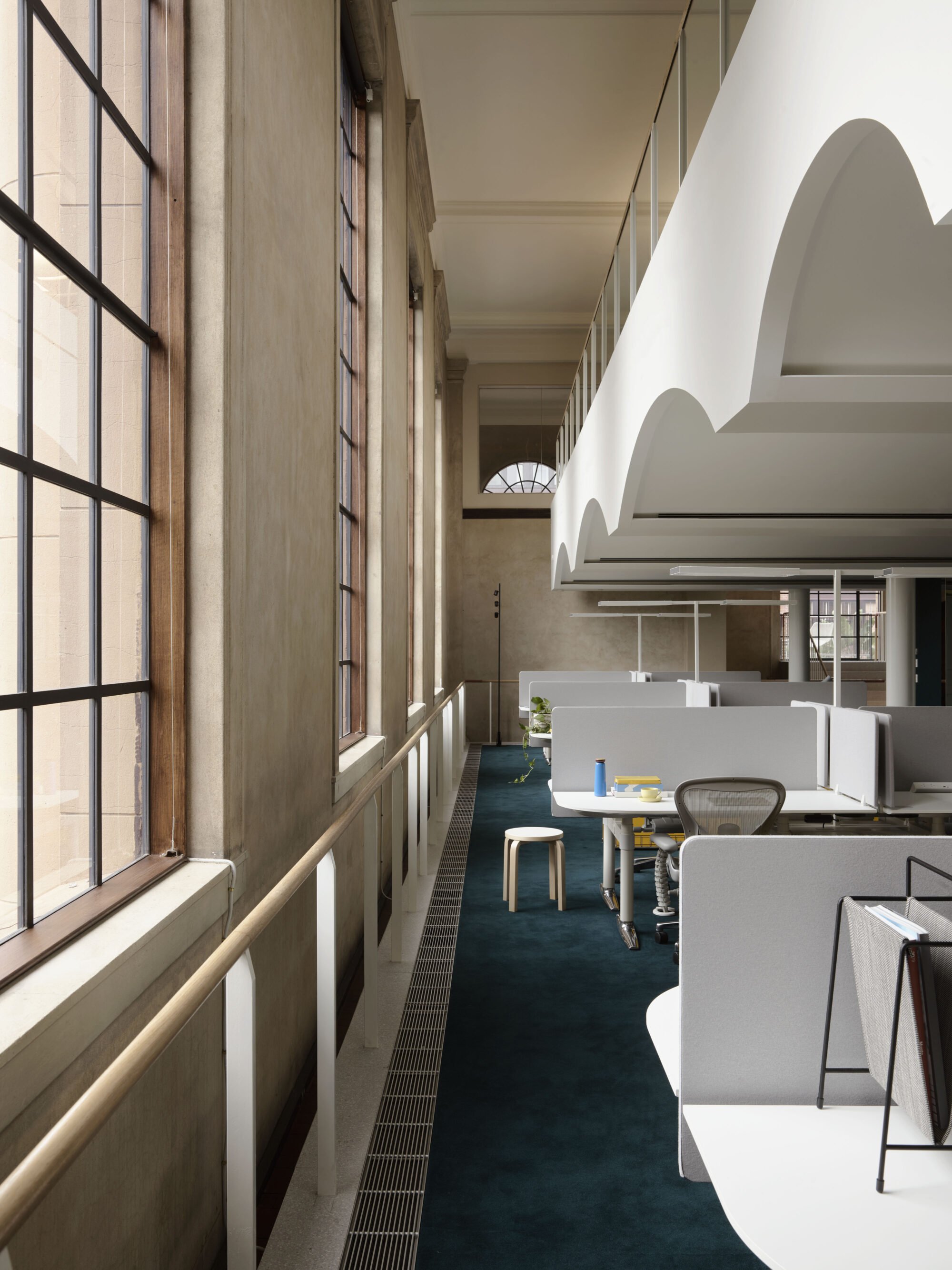
Flexibility underpins the design. Spaces can be reconfigured as organisational needs evolve, supporting the philanthropic mission of the Paul Ramsay Foundation and the varied programs it hosts. The building operates as a workplace, cultural venue and community platform within a coherent architectural framework.
Flexibility underpins the design. Spaces can be reconfigured as organisational needs evolve, supporting the philanthropic mission of the Paul Ramsay Foundation and the varied programs it hosts. The building operates as a workplace, cultural venue and community platform within a coherent architectural framework.
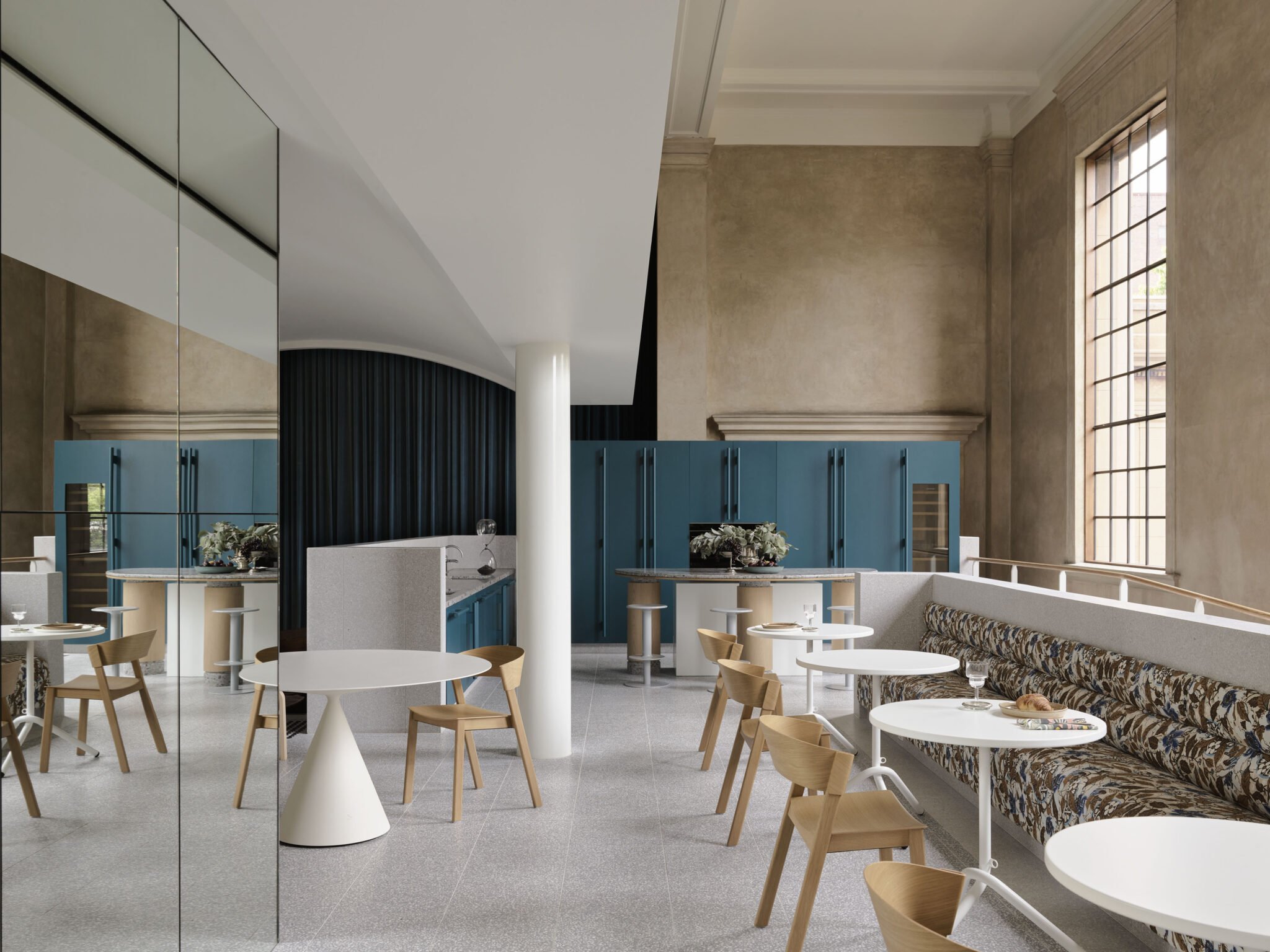
Material selection reinforces longevity. Robust finishes and structural upgrades position the 1920s landmark for continued use well into the future. The project demonstrates how adaptive reuse can extend the life of significant heritage architecture while aligning it with contemporary expectations of accessibility, flexibility and cultural recognition.

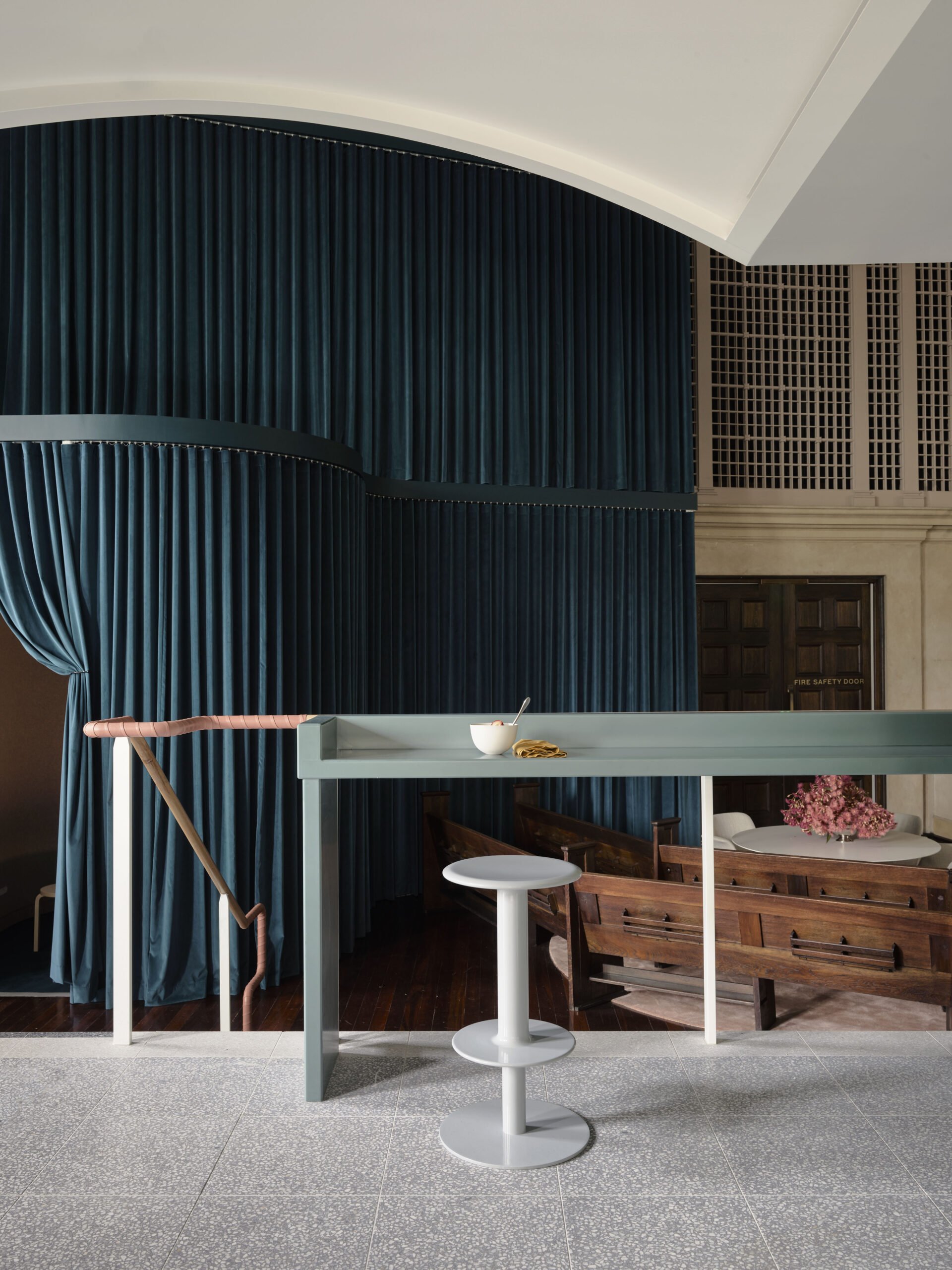
The project demonstrates a clear regard for the building’s past life, including its ceremonial function and formal spatial planning. New insertions are articulated with precision, acknowledging the historic envelope while expressing a contemporary architectural language. This relationship is visible through junctions, material transitions and spatial sequencing.
This confidence shapes the experience of Yirranma Place today. It stands as a considered example of how historic buildings can sustain new forms of work and public life, with design decisions anchored in context, Country and long term stewardship.
Project Credits
Architect & Interior Design: SJB Architects
Builder: Mainbrace Constructions
Landscaping: Black Beetle Landscape
Photographer: Anson Smart & Tom Roe